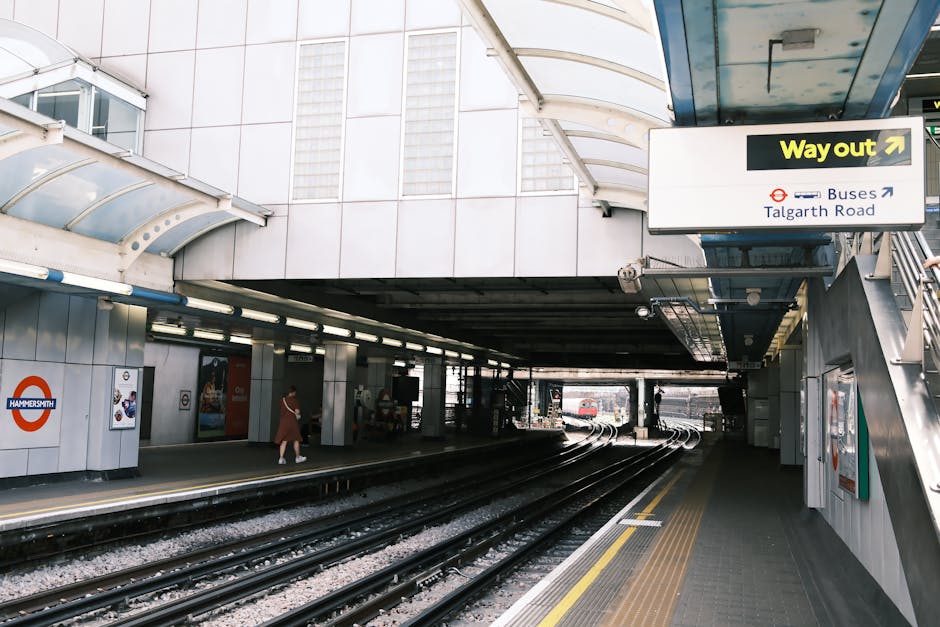
Ravenscourt Park to Hammersmith Broadway: Best Routes for Movers
Moving between Ravenscourt Park and Hammersmith Broadway looks simple on a map. It is a short hop, close enough to feel easy, but busy enough to catch people out when they are carrying boxes, squeezing a van through side streets, or trying to keep a move on time. The best routes for movers are not just about distance. They are about access, timing, loading, parking, building layout, and how much disruption you can actually tolerate on the day.
This guide breaks down the practical routes, what makes each one better in different situations, and how to plan a move that feels organised rather than frantic. Whether you are moving a flat, a family home, a student room, or an office, you will find a route strategy that makes sense for your load, your schedule, and your nerves. Let's face it, moving day is rarely glamorous. But it can be calm. Or at least calmer.
For a wider look at moving preparation, you may also find moving without the stress helpful, especially if you are trying to get everything ready before the van arrives.
Why Ravenscourt Park to Hammersmith Broadway: Best Routes for Movers Matters
The route between Ravenscourt Park and Hammersmith Broadway matters because this is not a long-distance job where a few extra minutes barely register. On a local move, every minute can affect parking, access to lifts, loading bay use, building management rules, and the amount of time you spend carrying furniture along pavements or up stairs. A bad route choice can turn a tidy job into a bit of a slog.
There is also the reality of West London traffic. School runs, delivery vans, roadworks, bus lanes, and everyday congestion can all change how a move unfolds. A route that seems shorter on paper may be worse for a removal van if it involves tight turns, awkward junctions, or roads that are awkward for unloading. In our experience, movers often underestimate how much the final 500 metres can matter.
For a short local move, the main goal is usually not speed alone. It is smooth access. That means choosing the route that gives the driver the best balance of legal stopping points, predictable traffic flow, and the least amount of carrying distance from van to front door.
If you want to understand the mover's perspective a little more deeply, the company's about us page is useful background on how local moves are approached, while the broader services overview page helps set expectations around what kinds of support are available.
How Ravenscourt Park to Hammersmith Broadway: Best Routes for Movers Works
In practical terms, the move works best when you think about the route in three layers: vehicle movement, property access, and timing. The van does not simply drive from A to B. It has to arrive at a moment when loading is possible, park legally or safely, and allow the team to move items without battling unnecessary obstacles. Sounds obvious, but people forget it all the time.
There are usually a few route patterns that local movers consider:
- Direct surface-road route: best when you want predictability and easy access to side streets or loading points.
- Route via main corridors: useful when the van needs a clearer run and you are less concerned about avoiding traffic build-up.
- Access-first route: chosen not for shortest distance, but for the easiest drop-off and collection at each end.
The right choice depends on what is being moved. A light student move may cope perfectly well with a slightly busier route. A house move with sofas, wardrobes, or fragile equipment is another matter. A piano, for example, changes the game entirely; if that is part of your move, it is worth looking at piano removals support in Ravenscourt Park and the related advice in keeping your piano safe during a move.
It also helps to think about the destination building. Hammersmith Broadway is busier, with more mixed traffic and more footfall. That means a route that seems fine for a car may still be awkward for a van if the stopping point is poor. A mover who understands local access will usually choose the route that reduces standing time and avoids forcing the crew to double-handle items, which is when damage risk starts to creep up.
Key Benefits and Practical Advantages
Choosing the best route for a local move offers more than convenience. It can save time, reduce physical strain, and make the day feel less chaotic. Small gains add up. A better parking position, for example, can save several trips, and several trips can become a big deal when you are carrying boxes, lamps, or heavy furniture.
Here are the main benefits movers notice:
- Less time spent loading and unloading: shorter carry distances speed everything up.
- Lower risk of damage: fewer handovers and less shuffling around usually means fewer knocks and scrapes.
- Better control over timing: local traffic can be managed more effectively when the route is chosen with the day's conditions in mind.
- Easier access for large items: sofas, beds, and desks are far easier to move when the vehicle stops in the right place.
- Less stress for you: and honestly, that counts for a lot.
There is also a commercial benefit if you are comparing service options. A route that supports efficient loading may make a man with a van in Ravenscourt Park or a man and van service more cost-effective because the team spends less time handling items and more time actually moving them.
For people moving larger items, the route is part of the protection plan. A good mover will pair route planning with sensible packing, proper wrapping, and the right vehicle. That is why many customers also use furniture removals in Ravenscourt Park or a dedicated house removals service rather than trying to improvise the whole thing themselves.
Who This Is For and When It Makes Sense
This topic matters most if you are doing a short local move and want it to be efficient. That includes people moving between flats, relocating from a house to a smaller property, moving student accommodation, or shifting office items between nearby premises.
It makes particular sense for:
- Flat movers: where stairs, narrow hallways, and lift access can dominate the day.
- House movers: especially if there are bulky items or a full van load.
- Students: who often need a fast, flexible move with minimal fuss.
- Office movers: where timing and access windows matter more than anything else.
- Same-day movers: when you need speed without losing control.
If your move involves a top-floor flat, limited parking, or lots of dismantling, route planning becomes even more valuable. A move from Ravenscourt Park to Hammersmith Broadway may only be short in miles, but the practical effort can feel much bigger. There is a world of difference between a straightforward ground-floor collection and a fourth-floor carry with a narrow stairwell. Anyone who has done that at 8:30 in the morning will know. No need to romanticise it.
For smaller homes and apartments, the pages on flat removals and moving tips for W6 garden flats are especially relevant. Garden flats bring their own quirks: steps, side access, and those awkward moments where the sofa is just a touch too wide for comfort.
Step-by-Step Guidance
If you want the move to run well, keep the process simple and structured. Fancy systems are fine, but simple systems are easier to follow when you are tired and a bit over it.
- Confirm what is being moved. List the bulky furniture, fragile items, appliances, and anything unusually heavy or awkward.
- Check both properties. Note the floor level, lift access, parking restrictions, doorway widths, and any tight turns.
- Choose the route with access in mind. The shortest route is not always the easiest for loading. Think about where the van can stop legally and safely.
- Plan the loading order. Heavier and larger items should usually go in first, with boxes and fragile items secured around them.
- Prepare fragile items properly. Pack electronics, glass, and decor separately, and mark boxes clearly.
- Disassemble what makes sense. Beds, tables, and some shelving units travel better when broken down in advance.
- Allow a timing buffer. Even a local move can be delayed by traffic or access issues.
- Do a final sweep. Check cupboards, chargers, keys, meters, and shared areas before the van leaves.
If you are still at the packing stage, the detailed advice in the ultimate guide to stress-free packing is worth reading. It pairs well with packing and boxes support if you want to avoid last-minute cardboard panic. And yes, everyone has had that moment where the tape disappears just when you need it.
Simple route-planning logic that works
Ask yourself: where can the van stop most safely, which road gives the cleanest approach, and how far will the team need to carry items at each end? If you can answer those three questions clearly, you are already ahead of most people planning a local move.
Expert Tips for Better Results
The best movers do a few things well that are easy to overlook. They keep the route practical, they control the load, and they protect the items that are most likely to fail under pressure. You do not need to be an expert to use the same thinking.
- Move during quieter windows where possible. Late mornings or early afternoons can sometimes be easier than peak commute periods, though local conditions change.
- Use a route that reduces turning stress for the van. Fewer awkward manoeuvres usually means less time spent positioning the vehicle.
- Keep essential items separate. Documents, medication, phone chargers, and a kettle are not things you want buried under blankets.
- Protect furniture before it leaves the property. Wrap corners, cover soft furnishings, and secure loose doors or drawers.
- Ask about vehicle size carefully. Too small and you end up with extra trips; too large and the access may become awkward.
If you are moving a sofa, it helps to think about the route and the item together. For bulky upholstery, read sofa protection and storage strategies before moving day. Beds and mattresses are similar; the shape is awkward, the fabric can snag, and suddenly everyone is pretending to know the best way to tilt a headboard. The article on transporting your bed and mattress gives very practical guidance.
Truth be told, the smartest tip is often the least exciting one: reduce the volume before you move. Decluttering makes every route easier because you are simply shifting less stuff. A good starting point is declutter essentials for a smoother move.
Common Mistakes to Avoid
A local move can go sideways for very ordinary reasons. None of them are dramatic, which is the annoying part. They are small, sensible things that get missed because people are busy.
- Assuming the shortest route is the best route. It often is not.
- Forgetting to check parking or loading restrictions. This can create delays right when time is tight.
- Not measuring furniture against doorways and stair turns. One awkward sofa can slow the whole move.
- Packing the van in the wrong order. If you bury the essentials, you will regret it later.
- Leaving appliance preparation until the last minute. Fridges and freezers need proper handling, not a rushed tug and hope approach.
Freezers are a good example. If you are moving one, or storing one, the guidance in proper storage techniques for a dormant freezer and effective methods for storing an idle freezer can save a lot of hassle. It is not glamorous reading, but it is useful. Very useful, actually.
Another common mistake is trying to do too much alone. A short local move can still involve a lot of lifting, and lifting badly is where backs complain, boxes split, and confidence vanishes. If you are unsure how much you can handle safely, solo heavy lifting guidance is a sensible read. Better to think that through now than wince later.
Tools, Resources and Recommendations
You do not need a van full of specialist equipment for every local move, but a few simple tools make the whole route and loading process easier.
| Item | Why it helps | Best for |
|---|---|---|
| Furniture blankets | Protects wood, paint, and soft edges during loading and travel | Sofas, tables, cabinets |
| Ratchet straps | Stops the load shifting in transit | Heavy or mixed loads |
| Trolleys and dollies | Reduces manual carrying and saves energy | Boxes, appliances, office items |
| Mattress covers | Helps keep fabric clean and dry | Beds and mattresses |
| Strong tape and labels | Makes boxes easier to identify and seal properly | All packing jobs |
For customers who want a full-service approach, it may be worth combining a vehicle with the right service type, such as a suitable removal van in Ravenscourt Park, general removal services, or, for bigger or more structured moves, full removals support.
If you are balancing timing and budget, pricing and quotes is a sensible next stop. If you need reassurance about handling and cover, insurance and safety is worth reading before you commit. Small detail, big comfort.
Law, Compliance, Standards, or Best Practice
For local moves in London, the main compliance concerns are usually practical rather than dramatic: parking, stopping, access, lifting safety, and the protection of property. Movers and customers both need to avoid unsafe or illegal loading, especially on busy roads near major transport and commercial areas.
Best practice usually includes:
- Parking legally and safely: do not block access, cycle routes, or emergency paths.
- Respecting building rules: some flats and offices need booked lift access or loading windows.
- Protecting staff and residents: keep paths clear and watch for trip hazards.
- Using safe lifting methods: team lifting for awkward or heavy items is the sensible norm.
- Handling items honestly and carefully: clear instructions about fragile goods reduce mistakes.
If you are comparing providers, it is reasonable to look for a clear approach to company standards, complaints handling, and security. Relevant pages such as health and safety policy, terms and conditions, payment and security, and complaints procedure help show how a business handles the parts of moving that customers often worry about but do not always ask upfront.
One more note: if you need eco-conscious disposal or packaging decisions, recycling and sustainability is useful. And if you want to understand how the business treats wider responsibility, the modern slavery statement gives a stronger trust signal than a vague promise ever could.
Options, Methods, or Comparison Table
Choosing the best route is easier when you also choose the right moving method. Here is a simple comparison of common approaches for this kind of local journey.
| Method | Best for | Strengths | Trade-offs |
|---|---|---|---|
| Man and van | Small to medium local moves | Flexible, cost-conscious, quick to arrange | May need more careful planning for larger furniture |
| Dedicated removal van | Furniture-heavy or more organised moves | Better capacity and loading control | Can be more than you need for a light move |
| Full removals service | Whole-house or office relocations | Higher support level, less physical effort for you | Usually the most structured option |
| Same-day removal support | Urgent or short-notice jobs | Fast response, convenient in a pinch | Availability can be tighter |
For a local Ravenscourt Park to Hammersmith Broadway move, many people find the middle ground works best. Not too much, not too little. A same-day removals option can be handy if your plans have changed suddenly, while student removals suit lighter loads and tighter budgets. If you are moving an office or workspace, take a look at office removals in Ravenscourt Park and the related guide on business removals on King Street.
Case Study or Real-World Example
Here is a realistic example based on a typical local move, not a dramatic transformation story with confetti and triumph. A couple moving from a first-floor flat near Ravenscourt Park to a rented apartment close to Hammersmith Broadway had a sofa, a bed frame, two wardrobes, several boxes of books, and a freezer that needed careful handling.
The initial plan was to use the shortest route possible. But after checking the destination, it turned out the quieter approach with easier stopping access made far more sense. The building near Hammersmith had a tight frontage and limited waiting space, so the mover chose a route that reduced the time spent circling for a parking position. That small decision changed the whole day.
Instead of carrying furniture from a distant kerb, the team was able to unload close to the entrance, keep the load secure, and move items in a more orderly sequence. The freezer was left for last so it could be handled properly, and the bed was loaded flat to minimise damage risk. Nothing flashy. Just sensible decisions, one after another.
The couple later said the move felt much easier than expected. Not because it was effortless, but because the route, the access plan, and the packing order all worked together. That is really the point here. A good move is a chain of small good choices.
Practical Checklist
Use this checklist the day before and on the morning of the move.
- Confirm the collection and delivery addresses.
- Check parking and loading access at both ends.
- Measure any awkward furniture or large appliances.
- Label fragile boxes clearly.
- Separate essentials you will need immediately.
- Protect sofas, beds, and mattresses with covers or wrapping.
- Empty and secure drawers, cupboards, and loose shelves.
- Prepare any freezer or appliance according to the correct storage or transport guidance.
- Keep keys, documents, and chargers in one easy-to-find bag.
- Build in extra time for traffic, stairs, or lift delays.
- Do a final sweep of each room, cupboard, and hallway.
If you need a more detailed moving rhythm, the advice in move-out cleaning tips can help you leave the property in better shape, and the practical notes in the fascinating world of kinetic lifting explain why movement technique matters more than people think.
Conclusion
The best routes for movers between Ravenscourt Park and Hammersmith Broadway are not just the fastest lines on a map. They are the routes that make the whole move easier: safer parking, shorter carries, cleaner access, and less stress for everyone involved. Once you think in those terms, the job starts to feel much more manageable.
Whether you are moving a flat, a family home, or a small office, the real win is planning the route around the load, not the other way round. Get that right and the rest tends to fall into place. Not perfectly, perhaps. But well enough to breathe again.
Get a free quote today and see how much you can save.
If you are ready to make the next step, the easiest move is simply to ask for help early rather than late. That one habit saves more headaches than most people realise.
Frequently Asked Questions
What is the best route for movers from Ravenscourt Park to Hammersmith Broadway?
The best route depends on access, timing, and where the van can stop safely. For many moves, the easiest route is the one that avoids awkward turning points, heavy congestion, and poor loading access rather than the absolute shortest drive.
Is a man and van service enough for this move?
Often, yes, especially for flat moves, student moves, or smaller household loads. If you have lots of furniture, fragile items, or appliances, a larger van or fuller removals setup may be more suitable.
How long does a local move like this usually take?
It depends on the amount of furniture, the number of stairs, parking access, and traffic. The drive itself is short, but loading and unloading can take much longer than people expect.
Should I choose the shortest route or the easiest route?
For movers, the easiest route usually wins. A slightly longer drive can still be quicker overall if it gives better parking, easier unloading, and fewer delays.
Can movers handle bulky furniture like sofas and beds on this route?
Yes, as long as the van size, access point, and lifting plan are appropriate. Sofas and beds are common local-move items, but they need proper wrapping and sensible handling.
What if I need same-day help?
Same-day support can be useful when plans change suddenly or completion times shift. Availability varies, so it is best to check as early as possible.
Do I need to prepare my freezer before the move?
Yes. Freezers need to be emptied, cleaned, and handled properly before transport or storage. Rushing this step can cause leaks, smells, or damage.
Is route planning more important for flats than houses?
Usually, yes. Flats often involve stairs, lifts, tighter corridors, and trickier parking. But houses can still be awkward if the road access is poor or there are large items involved.
How do I avoid damage during a short local move?
Pack securely, protect furniture, use the right vehicle, and avoid unnecessary double-handling. Damage often happens during lifting and loading rather than on the road itself.
What should I look for in a moving company for this route?
Look for clear communication, sensible route planning, straightforward pricing, and a visible commitment to safety and customer care. Pages like about us, health and safety, and terms can tell you quite a lot.
Can I combine moving and storage if my new place is not ready?
Yes, in many cases storage is a practical bridge between properties. It can be especially useful if completion dates do not line up neatly, which, to be fair, happens quite a lot.
What is the biggest mistake people make on local moves?
The biggest mistake is usually underestimating access problems. People focus on distance, but parking, stairs, and load order often matter more than the route itself.