





Ravenscourt Park Removals: Moving Tips for W6 Garden Flats
Posted on 28/04/2026
Moving out of a W6 garden flat sounds straightforward until you meet the realities of narrow side access, awkward steps, shared entrances, low garden walls, and the kind of furniture that seems to become heavier at the exact moment you reach the door. If you are planning a move in or around Ravenscourt Park, the right preparation makes the difference between a smooth day and a stressful one. This guide to Ravenscourt Park removals focuses on the practical details that matter for garden flats: access, packing, timing, safety, and the small decisions that prevent big headaches.
Whether you are moving into a larger home, downsizing, or simply relocating within W6, the aim is the same: protect your belongings, keep the building tidy, and get everything out efficiently. You will find step-by-step advice, common mistakes to avoid, and a realistic view of when a professional flat removals Ravenscourt Park service is worth it. For moving guidance that goes beyond the obvious, this is the place to start.
![The image shows the exterior of a residential property with an entrance area leading to a garden or courtyard. In the foreground, there is a paved sidewalk with a tactile paving strip for accessibility, bordered by red brick walls and black metal railings. Wooden steps lead up to the garden, which is enclosed by additional fencing; some steps appear to be partially lifted or under maintenance. The garden features neatly maintained flowerbeds, shrubbery, and small trees, with a large residential building visible in the background. The building has multiple windows, some with white frames, and appears to be an apartment complex designed in a modern, brick-and-mortar style. The overall scene is captured during daylight hours, with overcast sky and diffused natural light, depicting a typical urban setting that may be involved in a house or apartment move process, supported by logistics specialists like [COMPANY_NAME] for furniture transport and packing during home relocation in the W6 area near Ravenscourt Park.](/pub/blogphoto/ravenscourt-park-removals-moving-tips-for-w6-garden-flats1.jpg)
Why Ravenscourt Park Removals: Moving Tips for W6 Garden Flats Matters
Garden flats in W6 often look deceptively easy to move from. Ground-floor access can suggest convenience, but the reality is more nuanced. You may have to work around garden furniture, planted borders, narrow side paths, split-level layouts, or a route that forces you to turn bulky items at awkward angles. One oversized sofa and a poorly planned exit route can swallow half the morning.
This matters because garden-flat moves are usually won or lost before the van even arrives. If you know how your items will leave the property, where they will be staged, and how the load will be protected, the whole day becomes calmer. That is especially true in Ravenscourt Park, where shared residential spaces mean you also need to be considerate of neighbours, pathways, and building access.
In practice, the biggest challenge is not always the lifting. It is coordination. A move that starts with proper packing, sensible decluttering, and a clear handoff to the removal crew is much easier to manage than one where everyone is improvising at the doorway.
If you want a broader approach to preparing the property before moving day, the guide on essential cleaning tips before leaving is a useful companion read, especially if your landlord or buyer expects the flat to be handed over in good condition.
How Ravenscourt Park Removals: Moving Tips for W6 Garden Flats Works
A successful garden-flat removal is usually handled in stages. First, you assess the property and the access. Then you reduce clutter, pack room by room, protect the building, and decide which items should be carried out first. Finally, the load is moved in a sequence that keeps hallways clear and prevents damage.
In a W6 garden flat, access planning deserves special attention. Some properties have direct garden exits, while others require boxes and furniture to pass through a narrow corridor, a side gate, or a shared communal path. The safest route is not always the shortest one. Sometimes the easiest option is to move items in a controlled order rather than trying to clear the largest pieces first.
This is also where the right service type matters. A smaller move may suit a man and van Ravenscourt Park arrangement, while larger household loads are better handled as a full house removals Ravenscourt Park job. If you have fragile items, heavy furniture, or a tight timetable, it is often smarter to choose the option that gives you proper loading support rather than just the cheapest van hire.
Truth be told, the real work starts before the first box is lifted. The more clearly you define the move, the easier everything after that becomes.
Key Benefits and Practical Advantages
When you prepare a garden-flat move properly, several benefits show up immediately:
- Less risk of damage to walls, floors, doors, and furniture.
- Faster loading, because boxes and furniture are already staged logically.
- Lower physical strain, especially on awkward stair-free but twist-heavy routes.
- Better coordination with movers, neighbours, and building access.
- Fewer delays caused by missing labels, forgotten items, or inaccessible storage spaces.
There is also a less obvious advantage: you make better decisions. Once you have sorted what is moving, what is being stored, and what is being sold or recycled, the whole process feels lighter. A move can be a useful reset rather than just a logistical chore. If you want to slim down before moving day, decluttering essentials for a smooth moving experience is a practical place to start.
For many people, that is the moment when the move stops feeling like chaos and starts feeling manageable.
Who This Is For and When It Makes Sense
This advice is especially useful if you are:
- moving out of a garden flat in Ravenscourt Park or nearby W6 streets;
- upgrading from a flat to a house and need a more structured move;
- downsizing and want to avoid moving items you no longer need;
- dealing with bulky furniture that has to pass through tight access points;
- working to a fixed exchange, tenancy, or completion date;
- managing a move with children, work commitments, or limited time.
It also makes sense if you are moving items that need special handling. A piano, for example, should not be treated as an ordinary box on legs. If that is part of your move, the guidance from piano removals Ravenscourt Park can help set expectations around safe handling and specialist planning.
Garden-flat moves are not always huge, but they are rarely simple. That is exactly why they benefit from a more thoughtful approach.
Step-by-Step Guidance
Use this sequence to stay organised and reduce last-minute pressure.
1. Survey the route out of the flat
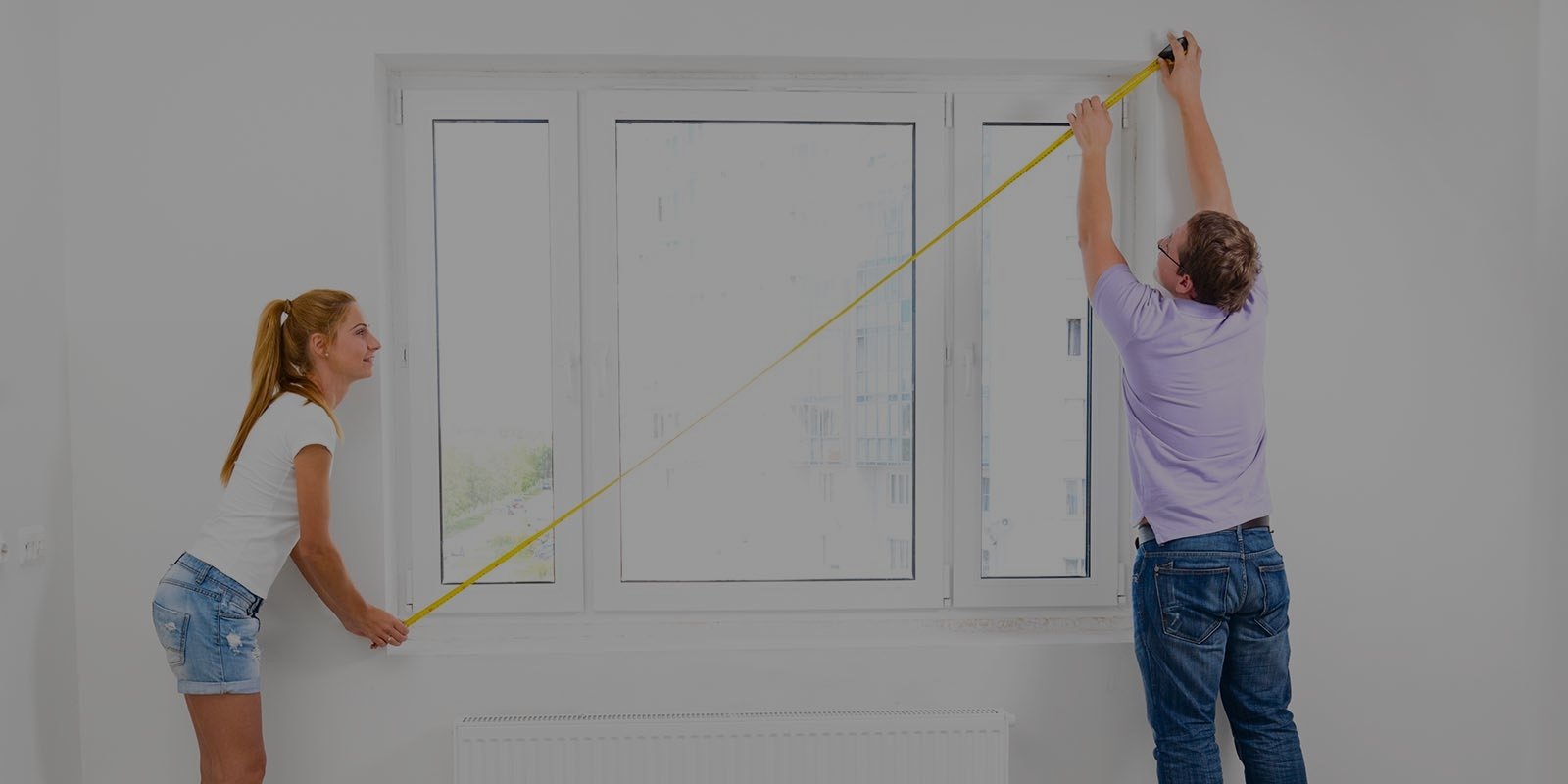
Walk the full path from the room to the vehicle. Check door widths, tight corners, low ceilings, garden steps, path surfaces, and anything that could snag a sofa or chip a cabinet. If there is a side gate, measure it. If you have plants, outdoor furniture, or bikes in the way, move them early.
2. Sort what is actually moving
Separate your belongings into three groups: moving, storing, and letting go. This is the easiest way to cut volume before the day arrives. If you have items that will not go into the new property right away, a storage Ravenscourt Park solution may help bridge the gap.
3. Pack by room, not by random convenience
Room-based packing saves time and confusion at both ends. Keep one category per box where possible, and label the destination room clearly. Books, kitchenware, soft furnishings, and decor should not all be mixed together unless you genuinely enjoy playing detective at 9 p.m. after moving day.
If you want a deeper walkthrough, the stress-free packing guide offers a structured approach that fits neatly with this stage.
4. Protect furniture and high-risk items
Wrap table legs, corner edges, mirrors, and any item with a delicate finish. Mattresses should be protected from dirt and moisture, particularly if they have to travel through a garden or down a damp path. For bed frames and mattresses, the advice in transporting your bed and mattress is especially relevant.
5. Prepare appliances properly
Fridges and freezers need more than a quick unplug. They should be emptied, defrosted if required, cleaned, and dried before moving or storage. Leaving moisture inside an appliance is an invitation to smells and mould. If you are not taking one immediately to the new property, proper freezer storage techniques will help avoid preventable damage.
6. Stage everything near the exit
Place packed boxes in a clear, dry staging area near the exit route, but not in the way of the carry path itself. Keep fragile items separate. Heavy boxes should be small enough to lift without strain; oversized boxes look efficient until they have to be carried across a garden path in one go.
7. Load in a sensible order
Start with the heaviest, most stable items and build around them. Load awkward items with enough padding and anchoring to prevent shifting. If you are using a removal van Ravenscourt Park service, ask how the load will be secured so you know what to expect and how to pack accordingly.
8. Do a final sweep of the flat and garden
Check cupboards, loft access if relevant, storage spaces, behind doors, under beds, and outside areas. Garden flats often have hidden "last-minute" items such as tools, planters, or cushions stored in awkward corners. Once the van is gone, those forgotten bits become your problem, not the mover's.
Expert Tips for Better Results
The difference between an average move and a smooth one usually comes down to small, informed decisions. Here are the ones worth paying attention to.
- Measure before you move anything. A sofa that fits indoors may still fail at the garden gate.
- Use smaller boxes for heavy items. Books, tools, and kitchen crockery can become impossible if overpacked.
- Keep wet and dry items apart. Damp garden routes and cardboard do not mix well.
- Protect entry points. Door frames and hall corners benefit from temporary protection if large items are coming through.
- Make one person the route checker. Too many voices at the doorway slows everything down.
- Set aside essentials early. Chargers, medication, documents, toiletries, keys, and one change of clothes should travel with you.
If you are handling heavier items yourself, it is worth understanding the basics of lifting technique. The guidance on solo heavy lifting and kinetic lifting explains why body position, balance, and controlled movement matter more than bravado. No one wins a prize for doing it the hard way.
For bulky items like sofas, careful preparation matters too. See sofa storage strategies if you need a better way to protect upholstery and structure before or after the move.
![A landscaped park scene featuring a circular water fountain with three bronze statue figures positioned around it, each holding a small vessel from which water flows into the basin. Surrounding the fountain are neatly trimmed round bushes with yellow-green foliage, arranged symmetrically on either side. The foreground displays well-maintained green grass and a small flower bed with low-growing plants. Behind the fountain, tall lush trees with dense green leaves create a canopy, offering shade and a sense of enclosure. The park’s pathways extend into the distance, with a few parked cars partially visible through the trees, indicating an urban setting. The overall scene shows a peaceful outdoor space suitable for leisure or house relocation activities, with a focus on outdoor furniture, greenery, and the process of preparing the area for a move, consistent with the services offered by [COMPANY_NAME] and relevant to moving and packing services around Ravenscourt Park in W6.](/pub/blogphoto/ravenscourt-park-removals-moving-tips-for-w6-garden-flats2.jpg)
Common Mistakes to Avoid
Most moving problems are preventable. The same few mistakes cause a disproportionate amount of stress.
- Leaving packing too late and then rushing fragile items into whatever box is nearby.
- Ignoring access restrictions such as narrow gates, parked cars, or shared entrances.
- Overpacking boxes, which makes lifting unsafe and loading inefficient.
- Forgetting to defrost appliances before moving them.
- Not labelling boxes clearly, which slows unpacking at the new property.
- Assuming ground-floor access means easy access. In W6, the garden route often creates its own complications.
One of the most common errors is underestimating how much time protective wrapping takes. People often build in the driving time, then forget that dismantling, wrapping, and careful carrying can take longer than expected. If you are short on time, consider whether a structured same day removals Ravenscourt Park option is more appropriate than trying to force a rushed DIY plan.
Another mistake is not checking the paperwork side of the move. Terms, payment methods, and insurance should be clear before moving day, not discussed when everyone is already standing in the hallway.
Tools, Resources and Recommendations
A well-equipped move is a calmer move. You do not need a van full of gadgets, but a few practical tools make a real difference.
| Tool or Resource | Why It Helps | Best Used For |
|---|---|---|
| Strong boxes in mixed sizes | Prevents overpacking and keeps loads manageable | Kitchen items, books, household essentials |
| Bubble wrap and furniture blankets | Reduces scuffs, chips, and surface damage | Mirrors, tables, shelving, finishes |
| Labels and marker pens | Speeds unloading and unpacking | Room-by-room organisation |
| Floor and door protection | Helps protect shared routes and property surfaces | Hallways, thresholds, tight garden exits |
| Trolley or sack truck | Reduces strain on repetitive carries | Boxes, appliances, medium-weight furniture |
If you are still building your plan, the page on packing and boxes Ravenscourt Park is a sensible service page to review alongside this guide. It is also worth reading about insurance and safety so you understand how risk is handled in a professional move.
For customers who want to compare service options, the wider services overview can help you decide whether you need full removal support, a smaller vehicle, or something in between.
Law, Compliance, Standards, or Best Practice
Most domestic moves do not involve complex legal issues, but there are still standards and best practices worth respecting. In a garden flat, the most relevant concerns are usually access, property care, and safe handling rather than formal regulation. That said, good moving companies should be clear about their insurance arrangements, health and safety approach, and payment terms.
If your move involves shared access areas, you should be considerate of neighbours and building rules. Keep routes clear, avoid blocking communal paths for longer than necessary, and leave the property in a safe condition throughout the move. If you live in a managed building, it may also be worth checking whether there are any booking windows for lifts, loading bays, or parking arrangements, even if your flat itself is on the ground floor.
From a practical safety standpoint, proper lifting technique, load balancing, and team coordination matter more than bravado. This is where a professionally run service earns its keep. You can also review the company's health and safety policy and terms and conditions before confirming any booking. If you want to understand the business background first, the about us page is another useful stop.
For service areas beyond Ravenscourt Park, readers sometimes compare neighbouring locations too. If you are coordinating a move that crosses borough lines, the related flat removals Poplar page shows how flat-moving services can be structured for a different area, while still following the same core principles of careful planning and secure loading.
Options, Methods, or Comparison Table
Not every garden-flat move needs the same level of support. The right choice depends on volume, access, furniture type, and timing.
| Method | Best For | Pros | Trade-Offs |
|---|---|---|---|
| DIY move | Very small loads, short distances, flexible schedules | Lower direct cost, full control | More physical effort, more risk, slower if access is awkward |
| Man and van | Medium-sized flat moves, a few bulky items, local relocations | Flexible, practical, usually efficient for W6 moves | You still need to plan packing and access carefully |
| Full removal service | Larger flats, fragile furniture, time-sensitive moves | More support, better coordination, less stress | Costs more than a bare-bones option |
For many Ravenscourt Park garden flats, the middle option is the sweet spot: enough support to handle furniture and loading efficiently, without paying for services you do not need. If you are weighing up cost and convenience, the page on pricing and quotes is a sensible next step.
Case Study or Real-World Example
Imagine a two-bedroom garden flat off a quiet W6 road. The household has a sofa, dining table, bed frame, mattress, a freezer in the utility space, and about forty boxes. On paper, it is a medium move. In reality, the narrow side passage, the garden gate, and the need to avoid disturbing neighbours make it feel bigger.
The most efficient approach would be:
- Declutter first so that only useful items are packed.
- Pack and label the rooms in advance, keeping heavy boxes small.
- Prepare the freezer and mattress properly so they can travel safely.
- Clear the garden route the evening before.
- Use a vehicle and loading plan suited to the actual access, not just the size of the property.
That kind of move tends to work because the team is not improvising. The route is known, the fragile items are protected, and the loading sequence is already decided. The result is usually a faster departure, fewer scuffed walls, and a much calmer unpacking experience at the destination.
If you want to trim the amount you move in the first place, the article on decluttering before your move offers a useful mindset that works well for flats of any size.
Practical Checklist
Use this checklist in the final 48 hours before moving day:
- Confirm the moving date, arrival time, and access instructions.
- Measure any tight doors, gates, or corridors.
- Finish packing non-essential items.
- Label boxes by room and priority.
- Defrost, clean, and dry appliances if needed.
- Wrap furniture corners, mirrors, and delicate surfaces.
- Move plants, outdoor furniture, and garden items out of the route.
- Keep keys, documents, medication, and chargers with you.
- Protect floors and door frames where necessary.
- Do a final walk-through of cupboards, sheds, and storage areas.
Expert summary: the easiest garden-flat move is the one that respects access, reduces volume early, and keeps the loading plan simple. If you can measure the route, pack logically, and protect the items that matter, you have already solved most of the hard part.
Conclusion
Ravenscourt Park garden-flat moves are manageable when you treat them as access-led projects rather than simple box transport. The property layout, route to the van, and condition of your furniture matter just as much as the moving date itself. With the right packing, sensible decluttering, and proper handling, your W6 move can feel organised instead of overwhelming.
The key is to plan around the actual building, not an idealised version of it. Measure carefully, stage your items well, and choose the level of support that fits the move you really have. Do that, and you will save time, reduce stress, and protect the things you care about.
If you would like help planning your next move, explore the service pages, review the safety information, and speak to a local team that understands the realities of flat access and garden routes in Ravenscourt Park.
Get a free quote today and see how much you can save.
To arrange your next step, visit the contact page and share the details of your flat, access route, and moving date.
![The image shows the exterior of a residential property with an entrance area leading to a garden or courtyard. In the foreground, there is a paved sidewalk with a tactile paving strip for accessibility, bordered by red brick walls and black metal railings. Wooden steps lead up to the garden, which is enclosed by additional fencing; some steps appear to be partially lifted or under maintenance. The garden features neatly maintained flowerbeds, shrubbery, and small trees, with a large residential building visible in the background. The building has multiple windows, some with white frames, and appears to be an apartment complex designed in a modern, brick-and-mortar style. The overall scene is captured during daylight hours, with overcast sky and diffused natural light, depicting a typical urban setting that may be involved in a house or apartment move process, supported by logistics specialists like [COMPANY_NAME] for furniture transport and packing during home relocation in the W6 area near Ravenscourt Park.](/pub/blogphoto/ravenscourt-park-removals-moving-tips-for-w6-garden-flats3.jpg)

