





Dealing with Bulky Furniture on Glenthorne Rd's Tight Stairs
Posted on 18/06/2026
![A view from the top of a spiral staircase inside a property, showing the staircase's black metal balustrade with decorative elements and a wooden handrail. The stair treads are dark-colored, with a light-colored riser. At the bottom of the staircase, there is a piled assortment of cardboard boxes, some open with visible contents such as books, small household items, and packaging materials. The boxes are of various sizes, placed on a red carpeted floor, which is partially visible. The surrounding environment includes a light-colored wall and a carpeted landing area at the top of the staircase. This scene captures the process of home relocation, with furniture and belongings prepared for transport as part of a removal or moving service by [COMPANY_NAME], illustrating the challenges of loading bulky items down narrow, tight stairs typical of residential properties on Glenthorne Rd. The image emphasizes the careful handling of packed boxes in the context of furniture transport and packing during house removals.](/pub/blogphoto/dealing-with-bulky-furniture-on-glenthorne-rds-tight-stairs1.jpg)
If you have ever tried to turn a wardrobe, sofa, or bed frame onto a staircase that feels a bit too narrow for comfort, you already know the problem. Dealing with Bulky Furniture on Glenthorne Rd's Tight Stairs is not just a lifting job; it is a planning job, a safety job, and, honestly, a patience job as well. The good news is that awkward access does not automatically mean a difficult move. With the right preparation, sensible handling, and a clear route plan, bulky items can often be moved without drama, damage, or a sore back that lasts all weekend.
This guide walks through the practical side of the process: why tight stairs matter, how the move works, when it makes sense to bring in help, and what mistakes to avoid. If you are planning a flat move, replacing furniture, or simply trying not to chip a wall in a Victorian stairwell, you are in the right place.
Why Dealing with Bulky Furniture on Glenthorne Rd's Tight Stairs Matters
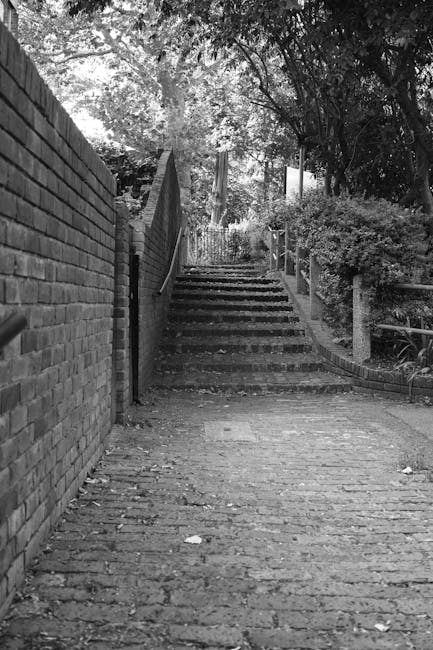
Tight staircases change everything. A piece that looks manageable in a hallway can suddenly become a problem the moment it reaches a turn, a narrow landing, or a low ceiling. On streets with older flats and compact access, the route matters as much as the item itself. One awkward corner can add ten minutes or ten risks. That is not exaggeration, just the reality of moving in London.
The biggest issue is usually not the furniture alone. It is the combination of weight, width, height, grip, and balance. A sofa may be light enough for two people to carry, but if the stairwell forces a sharp pivot, the item can twist awkwardly. A wardrobe might fit on paper, yet the stair angle may make it impossible to keep upright. And once something starts to snag on railings or walls, the margin for error gets very small.
There is also the stress factor. Anyone who has tried to manoeuvre furniture on a tight stairwell knows that frustration creeps in fast. You start off calmly, then someone says "just tilt it a bit more," and suddenly everyone is breathing differently. Truth be told, that is when accidents happen.
For local moves around Glenthorne Rd, the challenge is often not distance but access. If your building has limited turning space, steep steps, or a shared entrance, a proper strategy protects the furniture, the property, and the people doing the lifting. That is why this topic matters far more than it first appears.
Expert summary: If an item is oversized for the stairwell, the safest move is rarely brute force. It is usually better route planning, better angles, and fewer surprises.
How Dealing with Bulky Furniture on Glenthorne Rd's Tight Stairs Works
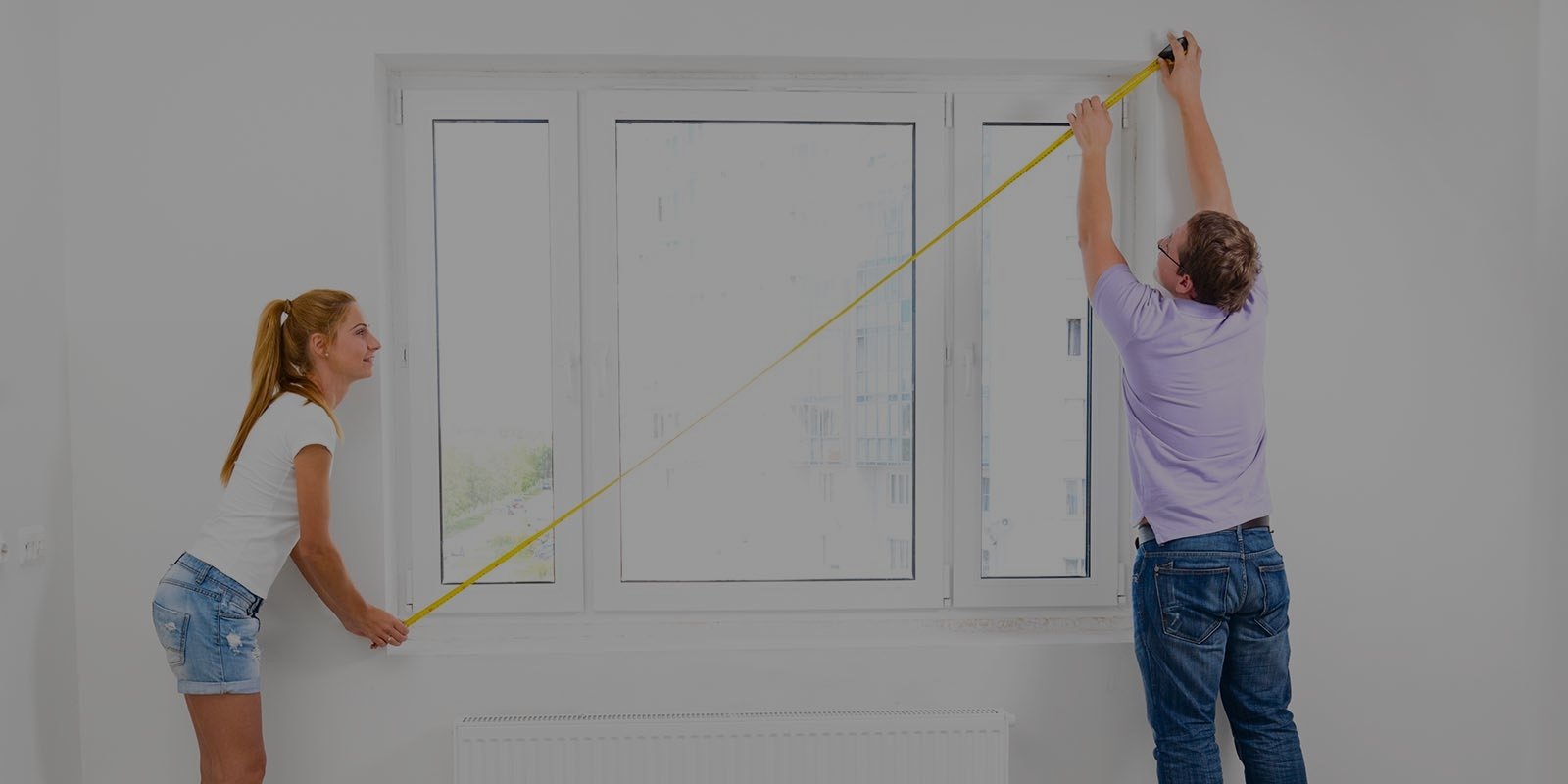
The process starts before anyone touches the item. Good movers assess the staircase, measure the furniture, and work out whether the item should go up, down, or be dismantled first. They look at landings, handrails, ceiling heights, wall edges, and door swings. You would be amazed how often a move succeeds or fails based on the angle of one landing.
In practice, the workflow usually looks like this:
- Measure the item and the route. Width, height, depth, and the narrowest point on the staircase all matter.
- Protect the environment. Floors, bannisters, and walls should be padded or wrapped where needed.
- Remove loose parts. Feet, shelves, cushions, handles, and doors often make an item awkward.
- Choose the right carrying method. Sometimes upright works. Sometimes the safest option is angled, side-on, or with a pause on the landing.
- Use controlled communication. One person leads, one steadies, and the pace stays slow enough to react.
- Reset if needed. If the item binds, stop. Do not force it. Backing out cleanly is better than pushing through and scraping half the staircase.
That last point matters more than people think. A move should be flexible. If a wardrobe does not like the route, you do not argue with the wardrobe. You change the plan. Sometimes the item needs to be dismantled. Sometimes the route needs a different carry angle. Sometimes, if the stairwell is especially tight, a hoist, alternative access, or an experienced removal team is the only sensible option.
For people planning a move in the wider Ravenscourt Park and W6 area, it helps to read practical preparation advice too, such as decluttering essentials for a smoother move and stress-free packing guidance. Less clutter usually means fewer obstacles on the staircase. Simple, but effective.
Key Benefits and Practical Advantages
There is a real advantage to handling bulky furniture properly rather than improvising on the day. The first benefit is obvious: less risk of damage. Walls, skirting boards, railings, and doorframes are often the first things to suffer when a heavy item is pushed through a tight turn. A careful plan saves touch-up work later, which no one enjoys, especially after moving day.
Second, safe handling protects the furniture itself. Sofas lose corners, bed frames crack, mirrors chip, and finishes scratch easily when items are forced through tight spaces. If you have invested in decent furniture, you probably want it arriving in one piece, not with a new "character mark".
Third, proper handling protects the people involved. Moving bulky items on stairs puts strain on wrists, backs, shoulders, and knees. A controlled move is slower, yes, but it is also much less likely to result in a slip, strain, or accidental drop. That is worth the extra time.
There is also a quieter benefit: peace of mind. Once the route is assessed and the lifting plan is clear, the entire move feels less chaotic. You stop guessing. You know what is happening next. That matters, especially if you are balancing a family move, work, or a deadline.
And here is the practical upside people sometimes forget: better access planning can save time overall. It sounds counterintuitive, but an item that is moved correctly the first time usually takes less time than one that has to be paused, repositioned, protected, or carried back down because it simply will not fit.
Who This Is For and When It Makes Sense
This kind of guidance is useful for a lot of people. Homeowners moving between properties, tenants in flats, students with large desks or beds, landlords replacing furniture, and anyone ordering bulky items for a top-floor home will all run into access questions sooner or later.
It is especially relevant if you are:
- moving into or out of a flat with narrow internal stairs
- carrying large sofas, mattresses, wardrobes, or dining tables
- working with shared stairwells or a difficult landing turn
- dealing with old buildings where the access is awkward but charming in that slightly annoying London way
- trying to avoid damage during a same-day or tightly timed move
In some cases, this is a straightforward DIY job with a couple of willing friends and decent planning. In others, it is less about confidence and more about judgement. If the item is especially heavy, fragile, or valuable, or if the staircase is so tight that you have to rotate the item at multiple points, bringing in professional help can make far more sense.
If you are comparing options, the local service pages can help you understand the sort of support available, including furniture removals in Ravenscourt Park, flat removals support, and broader removal services. Not every move needs the full works, but it is useful to know what is available.
Step-by-Step Guidance
Below is a practical, no-nonsense way to approach a bulky furniture move where the stairs are tight. This is the bit that saves the day, frankly.
1. Survey the staircase before moving anything
Do not wait until the item is halfway up before discovering the landing is too small. Walk the route slowly. Check where the narrow points are, where the handrail protrudes, and whether doors need to be propped open. If the building has a steep stair pitch or a sharp turn, note it early.
2. Measure the furniture and the tightest points
Take rough measurements of width, height, and depth. The narrowest point in the stairwell is the number that matters most. A sofa that fits in a van can still be impossible to rotate on a landing. It happens all the time.
3. Decide whether to dismantle
Some furniture is far easier to move in sections. Bed frames, modular sofas, tables with detachable legs, and wardrobes with removable doors often become much more manageable once broken down. Keep screws, bolts, and fittings in labelled bags. It sounds obvious. Still, people forget.
4. Protect the route
Cover vulnerable edges with blankets, pads, or wraps. Even a brief scrape can leave a mark on painted walls or timber railings. If you are using a shared stairwell, being considerate matters as much as being careful.
5. Assign clear roles
One person should lead the move, call the turns, and decide when to stop. Another steadies the rear or lower end. Too many voices make things messier, not safer. A clean "pause" call is worth its weight in gold.
6. Use controlled movement, not speed
Heavy items should move in small, deliberate steps. If the item catches, stop and reposition. Resist the urge to force the angle. Speed makes tiny mistakes into expensive ones.
7. Reassess at each landing
Every landing is a decision point. Once you reach one, pause, breathe, and re-check the next turn. That small pause can prevent a very awkward scrape or a dropped corner.
8. Finish with a quick damage check
After the item is in place, check the walls, stair edges, and the furniture itself. Small scratches are easier to handle immediately than after the whole move is done and everyone has gone slightly cross-eyed from tiredness.
Expert Tips for Better Results
A few small adjustments can make the whole job much smoother. First, choose the right time of day. If the stairwell or entrance is shared, moving when the building is quieter makes a surprising difference. Less foot traffic means fewer interruptions, fewer awkward passes, and less pressure.
Second, avoid trying to carry too much at once. A bulky item plus a box balanced on top is not clever. It is just unstable. Keep hands free where possible, and make every carry as simple as you can.
Third, use fabric covers or padded wraps for polished furniture. Corners are the usual casualty, and they go first. If you have a sofa with delicate arms, treat those edges like they are made of eggshell, because on a narrow stairwell they might as well be.
Fourth, think about airflow and grip. On a warm day, hands can get sweaty pretty quickly, especially during repeated lifts. Gloves with a good grip help more than people expect. Small thing, big difference.
Fifth, be realistic about your own limits. This is not defeat. It is judgement. If a wardrobe is too awkward, or if your stairwell forces a carry angle that feels unsafe, call it early. The bravest thing in a narrow stairwell is often stopping.
If you want a better sense of safe handling practice, the site's article on solo heavy lifting done the right way is a useful companion read. It is not about being heroic. It is about being sensible.
Common Mistakes to Avoid
The most common mistake is assuming the item will fit because it almost fit in the hallway. Almost is not enough. Stairs change the geometry. Angles matter. A lot.
Another mistake is failing to protect the route before starting. People often wrap the furniture but forget the wall edge on the turn or the bannister at hip height. That is where the damage appears.
Do not underestimate fatigue either. Bulky furniture moves are a bit deceptive. The first minute feels manageable, then the item changes angle, and by the third landing everyone is suddenly working harder than expected. When people get tired, they start rushing. That is when little mishaps happen.
Also, avoid lifting without a clear leader. If two people make different decisions mid-carry, the item twists. This is where communication, slightly boring but essential, really earns its keep.
And one more thing: do not ignore access permissions, parking, or entry timing if the move needs it. A great stairwell plan can still be thrown off if the vehicle cannot stop close enough or if the entrance is blocked. Local logistics matter just as much as the lifting itself.
Tools, Resources and Recommendations
You do not need a warehouse of specialist kit, but the right few items help a lot. Furniture blankets, stretch wrap, work gloves, strong tape, a trolley or dolly for ground-level transport, and basic tools for dismantling furniture all make life easier. For stairs specifically, the most useful "tool" is usually a careful pair of hands and a calm head.
Here is a simple comparison of common approaches:
| Approach | Best for | Strengths | Limitations |
|---|---|---|---|
| DIY with helpers | Moderate-sized items and short flights | Low cost, flexible timing | Higher risk if the stairs are very tight |
| Dismantle and reassemble | Wardrobes, beds, modular furniture | Reduces bulk and twisting | Requires tools and careful label-keeping |
| Professional removal support | Heavy, valuable, or awkward items | Experience, route planning, safer handling | Usually costs more than DIY |
| Storage before move day | Moves with timing gaps or staging needs | Creates breathing room, eases access issues | Can add extra steps to the move |
If you are still deciding, the most useful next reads are often the practical ones: transporting your bed and mattress, sofa storage strategies, and professional piano handling advice. Different furniture, same principle: don't wing it.
Law, Compliance, Standards, or Best Practice
For this kind of move, the main concern is not complicated regulation. It is sensible working practice, property care, and safe manual handling. In the UK, employers and removal teams should approach lifting with proper risk awareness, suitable equipment, and enough planning to avoid preventable injury. That is standard best practice, even when the move is small.
If you are arranging a move in a shared building, it is also wise to respect building rules, common areas, and quiet hours where relevant. That is part courtesy, part practical sense. Nobody wants an irritated neighbour or a blocked stairwell while carrying a dining table.
Good operators also tend to think in terms of insurance and accountability. If something valuable is being moved, you want clarity on cover, handling expectations, and what happens if access turns out to be trickier than expected. That is why reading the available information on insurance and safety, health and safety policy, and terms and conditions can be very useful before booking.
Best practice is simple enough to describe and harder to ignore in the moment: assess, plan, protect, communicate, and stop if the route is unsafe. That is the whole game, really.
Options, Methods, or Comparison Table
If you are trying to decide how to tackle the move, this quick comparison may help.
| Method | When it works well | Why people choose it | When to avoid it |
|---|---|---|---|
| Carry as one piece | Furniture is compact and the staircase is forgiving | Fastest route, least dismantling | Items with awkward corners, tight turns, or fragile finishes |
| Partial dismantling | Beds, tables, wardrobes, flat-pack pieces | Lowers bulk and improves stair clearance | If parts are difficult to reassemble or hardware is missing |
| Full dismantling | Very large or rigid items | Most flexible for tight access | When there is no time or no tools for reassembly |
| Professional removal team | Heavy, valuable, or time-sensitive moves | Experience, planning, and reduced strain | Not ideal if the job is extremely small and simple |
For many people, the real decision is not "DIY or hire?" but "how much risk am I comfortable with?" That is a fair question. If the item is expensive, sentimental, or simply too awkward to gamble on, professional support can be the calmer, more economical choice in the long run.
![A view from the top of a spiral staircase inside a property, showing the staircase's black metal balustrade with decorative elements and a wooden handrail. The stair treads are dark-colored, with a light-colored riser. At the bottom of the staircase, there is a piled assortment of cardboard boxes, some open with visible contents such as books, small household items, and packaging materials. The boxes are of various sizes, placed on a red carpeted floor, which is partially visible. The surrounding environment includes a light-colored wall and a carpeted landing area at the top of the staircase. This scene captures the process of home relocation, with furniture and belongings prepared for transport as part of a removal or moving service by [COMPANY_NAME], illustrating the challenges of loading bulky items down narrow, tight stairs typical of residential properties on Glenthorne Rd. The image emphasizes the careful handling of packed boxes in the context of furniture transport and packing during house removals.](/pub/blogphoto/dealing-with-bulky-furniture-on-glenthorne-rds-tight-stairs3.jpg)
Case Study or Real-World Example
Here's a realistic example. A tenant moving out of a first-floor flat on a busy W6 street had a three-seater sofa, a bed frame, and a large bookcase to get down a narrow stairwell with a tight return turn. At first glance, the sofa looked like the biggest problem. In the end, the bookcase was the troublemaker because its rigid frame made it impossible to angle cleanly.
The solution was straightforward, though not especially glamorous. The bookcase was dismantled, all fixings were bagged and labelled, the sofa feet were removed, and the stair edges were padded before any lifting began. The team paused at the landing, rotated the sofa upright, then brought it down in small controlled steps. No wall scuffs, no panic, no last-minute improvisation. Just careful work.
The interesting part? The move felt slower at the start, but overall it finished faster because nobody had to reverse course after a failed attempt. That is the thing people miss. A calm move often looks slower from the outside and faster by the end. Funny how that works.
If you are preparing for a move with multiple bulky items, it may also help to read about moving house without the stress and moving tips for W6 garden flats. Those guides fit nicely with the access challenges you see around compact London properties.
Practical Checklist
Use this before moving day, or even the night before if you are already in that late-stage packing fog.
- Measure the furniture and the tightest staircase points
- Check whether any parts can be removed or dismantled
- Clear the hallway and landing of loose items
- Protect walls, bannisters, and corners with padding
- Confirm who is leading the lift and who is spotting
- Wear suitable footwear with decent grip
- Keep tools, tape, and fixings in one labelled place
- Plan for pauses at the landing and turning points
- Have a backup plan if the item will not clear the route
- Review access, parking, and timing before the van arrives
If storage is part of the plan, it may also be worth looking at storage options in Ravenscourt Park so you can move in stages instead of trying to squeeze every item through a difficult stairwell in one go.
Conclusion
Dealing with Bulky Furniture on Glenthorne Rd's Tight Stairs is rarely about strength alone. It is about reading the route, respecting the limits of the staircase, and choosing the safest way to move each item. Once you stop treating the stairwell like an afterthought, the whole job becomes more manageable. Often much more manageable.
The best outcomes come from a mix of planning, patience, and good judgement. Sometimes that means dismantling furniture. Sometimes it means changing the carry angle. Sometimes it means bringing in support so the move is done properly the first time. That is not overcautious. That is practical.
And if you are at the stage where you know the move is bigger than expected, there is no shame in getting a hand. In fact, that is usually the smartest move of all.
Get a free quote today and see how much you can save.
For a friendly next step, you can also explore more about the team behind the service on the about us page or get in touch through the contact page.

