






Avoid W6 Parking Fines: Permit Tips for Ravenscourt Park Moves
Posted on 10/06/2026

Moving in Ravenscourt Park can feel straightforward right up until the van arrives and you realise the parking situation is not quite as simple as it looked from the pavement. A missed permit, the wrong bay, or an overrun by half an hour can turn a well-planned move into a very expensive day. If you are trying to Avoid W6 Parking Fines: Permit Tips for Ravenscourt Park Moves, this guide walks you through the practical side of parking, permits, loading space, timing, and a few small decisions that make a big difference. It is written for real move days, not ideal ones.
Let's face it: nobody wants to be arguing with a parking warden while boxes are still on the kerb and the kettle is somewhere under a blanket. The good news is that a little prep goes a long way. You will find what to check before move day, how to reduce the risk of a fine, when to build in extra time, and how to plan around the quirks that often catch people out in W6.
Why Avoid W6 Parking Fines: Permit Tips for Ravenscourt Park Moves Matters
Parking is one of those moving details people underestimate until it bites them. In Ravenscourt Park and the wider W6 area, residential streets, controlled parking zones, bay restrictions, and narrow roads can all affect where a removals van can stop. Even if the lift is booked, the boxes are labelled, and the packing is done, the move can still stumble if the van cannot park legally near the property.
The risk is not just a ticket. Poor parking can slow the whole process, increase carrying distances, and make movers work harder than they need to. That matters on a route with stairs, tight corridors, or awkward access. If you are already juggling end-of-tenancy cleaning, keys, and building access, one parking issue can knock the whole day off balance.
There is also the stress factor. A parking fine has a way of hanging around in your head long after the van has gone. You may save a few minutes by "just pulling in anywhere", but that choice can cost far more than the time you saved. It is a classic false economy.
For that reason, permit planning is not admin for admin's sake. It is part of the move itself, just like boxing fragile items or arranging enough hands for furniture. If you are moving from a flat, family house, student property, or office, the principle is the same: sort the parking before the sofa comes out.
For broader move planning, many people also find it useful to read this practical guide to moving without the stress and the company's overview of removal services so the parking plan sits inside the rest of the schedule, not on its own.
How Avoid W6 Parking Fines: Permit Tips for Ravenscourt Park Moves Works
At a practical level, the process is about matching three things: where the vehicle will stop, what type of street restriction applies, and how long the van will need to remain there. That sounds obvious, but move days have a habit of turning obvious things into messy things.
In many cases, you will need to think about:
- whether the road is permit-controlled or has pay-and-display restrictions
- the size and position of the removals vehicle
- loading or unloading exemptions, if any apply locally
- the exact time window you are allowed to occupy the space
- shared access with neighbours, delivery vans, and bin collections
The key point is that a moving van is not automatically entitled to stop wherever it wants. Some streets may allow loading for a limited period, but only if the vehicle is actively being loaded or unloaded. In other places, a visitor permit, suspension, or temporary parking arrangement may be needed. The correct approach depends on the street, the bay markings, and the local parking rules in force on the day.
Truth be told, the safest method is to assume there will be a restriction until you confirm otherwise. That mindset prevents the "I thought it was fine" problem, which is usually where fines begin.
A good moving plan starts with the property, not the van. Check the address, the road type, and whether access is easier from the front, side, or rear. Then plan the vehicle position around that reality. A smaller vehicle can sometimes be a better choice if the street is tight, which is why many people look at a flexible option such as a man and van service in Ravenscourt Park or a dedicated removal van for local moves depending on the size of the job.
Key Benefits and Practical Advantages
Good permit planning is not just about avoiding penalties. It improves the entire move from the first box to the final sweep of the hallway. A tidy parking setup helps the day feel controlled, and that matters more than people admit.
- Lower risk of fines: The obvious one, and probably the most persuasive.
- Shorter carrying distances: Less walking between the van and the front door means less strain and less time.
- Faster loading and unloading: Every minute saved at the kerb tends to save several minutes indoors.
- Less disruption to neighbours: A clear plan avoids blocking driveways, entrances, or shared access points.
- Reduced stress: You are not making parking decisions under pressure while carrying a mattress or a washing machine.
There is also a protection angle. When the vehicle is parked correctly and the team is not rushing, fragile items are less likely to be knocked or dropped. That is especially important with awkward pieces such as mirrors, pianos, long wardrobes, and sofas. If you are moving larger furniture, you may want to review the advice in the Ravenscourt Park furniture removals page alongside this guide.
In short: better parking does not just reduce paperwork. It makes the move safer, calmer, and more efficient. Nice, simple, useful. That is what you want.
Who This Is For and When It Makes Sense
These permit tips are useful for almost anyone moving in the area, but they matter most when access is tight, time is limited, or the property sits on a road with active restrictions.
- Flat movers: Especially if you are in a converted building, upper-floor flat, or mansion block with little outside space.
- House movers: Larger loads take longer to carry, so the parking window matters more.
- Students: Student moves often happen on busy days and with fewer hands available. A small mistake can snowball fast.
- Office movers: Business removals need tighter coordination because equipment, documents, and staff timing all intersect.
- Last-minute movers: If the schedule has already become a bit chaotic, parking planning becomes even more valuable.
If you are dealing with stairs, a narrow frontage, or a garden flat with awkward rear access, you will feel the benefit of proper parking planning almost immediately. The same goes for anyone handling larger furniture, especially when a piece needs a careful carry from kerb to door.
For example, garden flat moves in the area often benefit from route planning and parking checks together. You can see how local access affects the day in this Ravenscourt Park garden flat moving guide.
Step-by-Step Guidance
Here is the simplest way to approach parking and permit planning for a Ravenscourt Park move.
- Check the exact address and road name. Small location differences can mean very different parking rules.
- Look at the road layout in person if possible. Are there bays, single yellow lines, double yellow lines, or resident-only restrictions?
- Estimate how long loading will really take. Be conservative. Most people underestimate this bit.
- Decide whether a permit, suspension, or loading arrangement is needed. If there is any doubt, plan for the more cautious option.
- Book or arrange the parking solution early. Leave room for processing time and confirmation.
- Tell your removals team about access details. If the van must stop around the corner or farther away, the crew needs to know before arrival.
- Prepare the property for fast loading. Lift keys, parking permissions, and labels should all be ready before the van turns up.
- Build in a buffer. Traffic, neighbours, lift delays, and weather can all add a few awkward minutes.
- Check the street again on the day. Temporary suspensions, delivery vehicles, or bin collections can change the practical picture.
If you are moving from a busy street, one small but useful move is to clear the exit path inside the property first. That means no last-minute shoe pile, no mystery umbrella stand, no "where did that lamp come from?" moment. It sounds trivial. It is not.
Also, keep your contact details handy. If the driver needs to coordinate a quick update with you, you want that to be easy. A five-minute delay here and there adds up, especially in a tight parking situation.
Expert Tips for Better Results
Here are the habits that tend to make the biggest difference on real move days.
1. Plan for the worst legal parking position, not the best-case one
People naturally imagine the ideal slot right outside the door. Sometimes that works. Often it does not. A better plan is to identify the nearest legal option and assume that is the one you will use. If a closer place becomes available, lovely. If not, you are still fine.
2. Use a loading window as a moving tool, not a loophole
Loading exemptions or short stops are useful, but only when you are genuinely loading. Keep things moving. The more organised the boxes are, the more realistic this becomes. That is where a guide like the stress-free packing guide earns its keep.
3. Match the vehicle size to the street
Sometimes a smaller van does the job better than a larger one because it can stop more easily, reduce obstruction, and shorten the hand-carry route. That is worth thinking about, especially on narrower roads or where parking is already tight.
4. Keep heavy items ready first
If the van is only parked for a limited time, place the heaviest and bulkiest items near the exit so they go in first. Sofas, beds, and wardrobes should not be the last thing left when the parking clock is already ticking. If you need practical help with those pieces, the pages on house removals and flat removals can help you judge the right service level.
5. Ask about access before assuming it
Shared entrances, gated mews, and basement flats can all change the parking picture. A driver can make a plan faster when they know whether there is a narrow turn, a step up to the building, or a long internal walk. Small details, big difference.
And, slightly annoyingly, they often matter most at 8:15 in the morning, when everyone is trying to be efficient and someone is also moving a fern. The fern always gets in the way somehow.
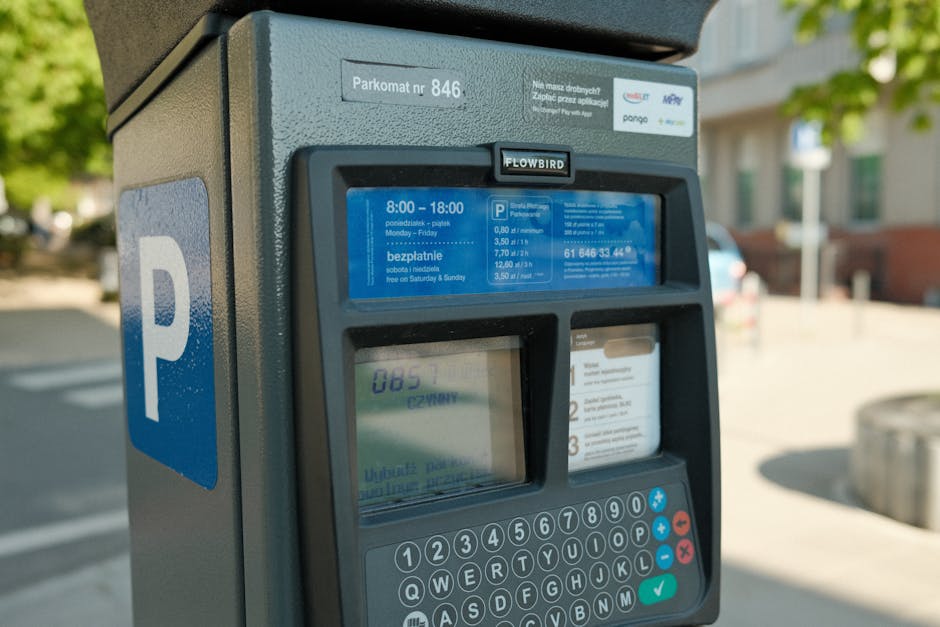
Common Mistakes to Avoid
Most parking fines during a move are not caused by dramatic errors. They usually come from small assumptions that seemed harmless at the time.
- Assuming a van can stop anywhere for "just a minute". That minute can still count.
- Leaving permit planning until move morning. That is asking for stress.
- Ignoring bay markings or time plates. They matter, even if the street looks quiet.
- Forgetting about neighbours' access needs. Blocking a driveway can create conflict and delay.
- Underestimating loading time. Stairs, tight corners, and fragile items all slow things down.
- Not telling the removals team about restrictions. If the driver is surprised, the whole schedule gets shakier.
- Thinking a postcode alone tells the full story. It really does not. Two nearby streets can behave differently.
One other mistake is overpacking the day. If parking is tricky, do not schedule every other task down to the minute. You need a little breathing room. Nobody enjoys operating like a chess clock.
Tools, Resources and Recommendations
You do not need a complicated system, just a sensible one. A move folder on your phone or a printed sheet in the kitchen can work fine.
- Property notes: exact address, access points, floor level, and any gate codes.
- Parking details: road name, bay type, time restrictions, and any permit arrangement.
- Move-day contact list: driver, property contact, landlord or managing agent if needed.
- Inventory list: bulky furniture, fragile items, and anything that needs special handling.
- Timing plan: target arrival, loading start, handover time, and slack for delays.
For physical packing support, the site's packing and boxes page is useful, especially if you are trying to reduce last-minute clutter near the doorway. If you have bulky furniture that needs storage before or after the move, the storage option in Ravenscourt Park may also help you avoid squeezing everything into one rushed day.
Need a bit more confidence with awkward items? These are handy reads: transporting your bed and mattress, keeping a piano safe during transport, and sofa storage strategies.
Law, Compliance, Standards, or Best Practice
Parking and moving in London sit under local rules, road markings, and council-controlled restrictions. The exact requirements can vary by street, bay type, day of the week, and whether a temporary arrangement has been approved. Because of that, best practice is to verify the specific location rather than relying on general assumptions.
From a moving perspective, the main compliance habits are simple:
- park only where the restriction allows it
- use loading areas only within the permitted conditions
- avoid blocking access, dropped kerbs, or private drives
- make sure any arranged parking solution is valid for the correct time and place
- communicate clearly with the removals team so they can act within the rules
Health and safety matters too. A legal parking spot that forces a long carry may still be a poor operational choice if it increases strain or creates a risky route through busy traffic. That is why planning and safety go together. You can review general expectations on the company's health and safety policy and insurance and safety information if you want a clearer picture of how professional moves are handled.
If you are using external parking arrangements, keep records of what was agreed. Even a screenshot or written note can save a lot of hassle later. It is a small thing, but small things are often what stop big headaches.
Options, Methods, or Comparison Table
Different move situations call for different parking approaches. Here is a simple comparison to help you choose the most sensible route.
| Parking approach | Best for | Pros | Trade-offs |
|---|---|---|---|
| Informal street stop | Very short, low-risk loading | Quick and simple if legal | Easy to get wrong if restrictions are missed |
| Permit-controlled arrangement | Most residential moves | More reliable and compliant | Needs early planning and the right paperwork |
| Loading-only stop | Fast collection or delivery | Useful for short transfers | Time pressure and strict conditions |
| Furthest legal parking point | Tight streets where no closer space is available | Still compliant and predictable | Longer carrying distance, more labour |
There is no universal "best" option. A permit-controlled space is often the calmest route for a full house move, while a short loading stop may suit a small flat or student move. If you are unsure, err on the side of the option that gives you more certainty rather than less. Certainty is underrated on moving day.
Case Study or Real-World Example
A typical Ravenscourt Park move might look like this. A couple are moving out of a first-floor flat on a residential street. They have a sofa, a bed, four medium boxes of books, a dining table, and a few fragile items. At first, they assume the van can stop outside the building because the road is quiet in the early morning.
But after checking the street properly, they realise the nearest legal stopping point is actually a little further along the road, and the available space is limited by weekday restrictions. Instead of gambling on it, they organise the move around that reality. They leave the heaviest furniture by the door, confirm the vehicle size, and start loading with the sofa and mattress first. The driver does not have to circle the block. The couple do not have to panic. Nobody gets a ticket.
That move still has the usual human moments, of course. One box is labelled "kitchen misc" and turns out to contain three corkscrews and a frying pan. Someone loses a tape measure for about ten minutes. Standard stuff. But the parking side of the day stays calm, which keeps the whole operation calm.
If you are moving something more delicate than a sofa, such as a piano, the parking plan becomes even more important because the route from vehicle to property needs to be steady and predictable. In that case, a specialist page like piano removals in Ravenscourt Park is a sensible place to look next.
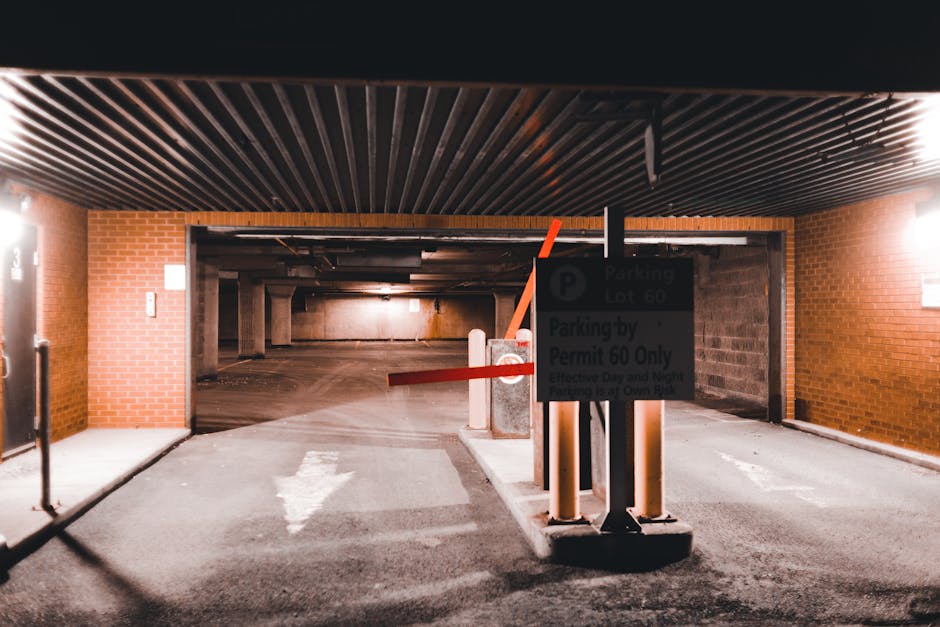
Practical Checklist
Use this checklist before the van arrives.
- Confirmed the exact property address and street name
- Checked local parking restrictions and bay markings
- Decided whether a permit, loading plan, or alternative parking is needed
- Notified the removals team of any tight access or long carry distances
- Prepared keys, parking info, and contact details in one easy place
- Placed large furniture and priority boxes near the exit
- Cleared hallways, stairs, and doorways for quicker loading
- Built in buffer time for traffic, stairs, or access delays
- Kept a note of any parking arrangement or approval
- Checked the street again just before loading starts
One more thing: if your move spans more than one property or involves temporary storage, keep the parking plan separate for each address. That sounds obvious, but in a busy week it is easy to blur the details together.
Get a free quote today and see how much you can save.
Conclusion
Parking may not be the most glamorous part of a move, but in Ravenscourt Park it can be the difference between a tidy day and a stressful one. If you want to avoid W6 parking fines, the winning formula is simple: check the road properly, plan the permit or loading arrangement early, match the vehicle to the access, and keep your move timed with a little breathing room.
That preparation does more than protect you from fines. It gives the team room to work safely, helps your belongings move more smoothly, and saves you from those last-minute "why did we not sort this sooner?" moments. We have all had a few of those, frankly.
When the final box is inside and the old place is quiet behind you, it is the small details you remember most. A well-judged parking plan is one of them. It keeps the day steady, and that is worth a lot.

