




Ravenscourt Park: King Street to Glenthorne Rd Move Guide
Posted on 22/05/2026

Moving between King Street and Glenthorne Road might look like a short hop on a map, but anyone who has actually done it knows the truth: small London moves can be oddly demanding. Tight stairwells, awkward parking, last-minute box chaos, and that one item you swore would fit through the door. This Ravenscourt Park: King Street to Glenthorne Rd Move Guide is here to make the whole process feel more manageable, whether you are moving a flat, a house, a few pieces of furniture, or an entire lived-in life with all the bits and bobs that come with it.
Below, you will find a practical, local, and straightforward guide to planning, packing, lifting, transporting, and settling in without the usual stress spiral. We will look at what makes this move route different, how to prepare properly, what services may help, and where people most often get caught out. If you want a move that feels organised rather than chaotic, you are in the right place.
- Why this Ravenscourt Park move guide matters
- How the move works in practice
- Key benefits and practical advantages
- Who this is for and when it makes sense
- Step-by-step guidance
- Expert tips for better results
- Common mistakes to avoid
- Tools, resources and recommendations
- Law, compliance, standards and best practice
- Options and comparison table
- Case study or real-world example
- Practical checklist
- Conclusion
- Frequently asked questions
Why Ravenscourt Park: King Street to Glenthorne Rd Move Guide Matters
A move from King Street to Glenthorne Road is the kind of job that can seem simple until the details arrive. Are there stairs at both ends? Can a van stop close enough to avoid a long carry? Will your sofa actually clear the turn at the landing? Those small questions matter, because they decide whether the move feels smooth or slightly exhausting.
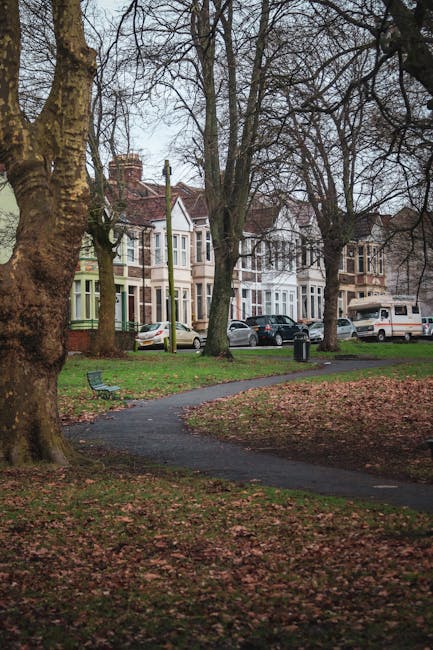
Ravenscourt Park has a mix of residential properties, period buildings, flats above shops, and streets where access can be tight at the best of times. That means local knowledge is not a luxury; it is a practical advantage. A good plan reduces risk to your belongings, limits delays, and saves you from paying for avoidable extra time. To be fair, most moving day stress comes from things that were fixable the day before.
This guide also matters if you are comparing a few service options. For example, you may be deciding between a small van, a full removal van, or a more complete team-based service. Knowing what your move actually needs helps you choose sensibly. If you want an overview of the broader service landscape, the services overview and removals in Ravenscourt Park pages are useful starting points.
How Ravenscourt Park: King Street to Glenthorne Rd Move Guide Works
The move itself is usually straightforward in structure, even if the details are a bit messy. First, you assess what is being moved. Then you check access at both addresses. After that, you choose the right level of help, pack safely, load in a sensible order, transport the items, and unload with a clear plan for placement.
In practice, the guide works best when you treat the move as a sequence rather than a single event. A quick example: if you are moving from a top-floor flat near King Street to a similar property off Glenthorne Road, the challenge may not be distance at all. It might be the narrow hall, the fragile mirror, the awkward mattress, and the fact that your booking window is shorter than you hoped. London moves love that sort of thing.
If you need hands-on help, a local man with a van in Ravenscourt Park or a more flexible man and van service can be a smart fit for smaller or mid-sized moves. For larger homes or more complex access, a dedicated removal van or fuller removal services package may be more appropriate.
Key Benefits and Practical Advantages
The biggest benefit of planning this move properly is simple: less friction. When you know exactly what is going where, you waste less time on the day. That usually means less lifting, fewer delays, and a calmer mood in the room. And yes, a calmer move is a better move.
Some of the most useful advantages include:
- Better protection for furniture and fragile items through proper wrapping, padding, and loading.
- Lower risk of injury because heavy lifting is planned rather than improvised.
- More accurate pricing when the move scope is clear from the start.
- Less disruption if you are moving around work hours, school runs, or building access restrictions.
- Faster settling in because boxes and furniture land in the right rooms first time.
There is also a quiet financial benefit. A well-prepared move often avoids the little extras that creep in when things go wrong: unnecessary waiting, emergency packaging purchases, or avoidable damage. That is why a bit of prep, plus a look at pricing and quotes, can be more useful than people expect.
Another advantage is peace of mind. Once the van is loaded and everything has been checked off, there is a lovely moment where the day stops feeling like a scramble. You can hear that, feel it, almost. A quick breath. Then on with it.
Who This Is For and When It Makes Sense
This guide is for anyone moving within or around Ravenscourt Park who wants the job done cleanly and without drama. It is especially useful if your move sits somewhere between "I can probably do most of this myself" and "I really should not be carrying that down the stairs."
It makes sense for:
- People moving between nearby streets and wanting a local, efficient service
- Flat sharers who need a compact, practical move plan
- Families moving furniture and household items on a tight schedule
- Students or renters who are changing accommodation with a limited budget
- Anyone with heavy, awkward, or delicate items that need care
If you are moving a smaller household, the flat removals service is often the best fit. If your move is bigger and includes sofas, dining tables, beds, wardrobes, or boxed household goods, a house removals option may be a better match.
Students in particular often underestimate how much a few months of life can become. A bike, monitor, suitcase, kitchen bits, books that somehow weigh a ton. It adds up fast. In those cases, student removals in Ravenscourt Park can keep the move simple and cost-conscious.
Step-by-Step Guidance
A sensible move plan does not need to be complicated. It just needs to be followed. Here is a practical sequence that works well for many local moves.
- Take stock of what you are moving. Walk room by room and list the larger items first. Then add boxes, bags, and loose items. Do not forget things in cupboards, under beds, or in utility spaces.
- Check access at both addresses. Measure doorways, stair turns, lifts, and any tight corners. Also think about parking and whether the van can stop nearby. A five-minute parking check can save an hour later.
- Sort, declutter, and reduce. Moving is a brilliant moment to let go of things you do not need. The decluttering guide is genuinely helpful here.
- Pack by room and by priority. Start with rarely used items. Label boxes clearly. Put essentials in a separate bag so they do not vanish into the back of the van.
- Protect furniture properly. Wrap corners, secure drawers, and dismantle pieces if needed. If you are moving sofas, the advice in sofa storage and protection tips is worth a look, even for short-term handling.
- Handle specialist items carefully. Mattresses, pianos, and freezers need more than a blanket and hope. For pianos, see piano removals in Ravenscourt Park and the related piano care guide.
- Load the van in a sensible order. Heavy items go in first, lighter boxes stack on top where appropriate, and fragile items get secured so they do not slide.
- Unload by room. This sounds obvious, but it is where many moves go a bit sideways. Put each box or item into the right room first, then sort details later.
If you are dealing with appliances, take your time. A dormant freezer, for example, should be prepared properly before transport or storage. The guides on proper freezer storage and storing an idle freezer are useful if that is part of your move.
Expert Tips for Better Results
Here is where a little experience saves a lot of hassle. First, do not pack based on emotion. Pack based on function. That decorative bowl you use once a year can wait. Your kettle, charger, and toilet paper should not be buried under six layers of "miscellaneous."
Second, make heavy items honest. If a box is too heavy to lift comfortably, it is too heavy. Split books into smaller boxes. Use proper tape. Reinforce the base. You will thank yourself later, probably while carrying it up a stairwell with that small but noticeable regret everyone knows so well.
Third, think about the route, not just the destination. On some moves, the issue is not the van journey at all, but the path from front door to vehicle. That is where smart handling and good lifting technique matter. If you are ever tempted to power through on your own, have a read of solo heavy lifting advice and the more technical piece on kinetic lifting. It sounds grander than it is, but the principles are useful.
Fourth, keep one box clearly visible. Put in essentials like phone chargers, medication, basic snacks, a mug or two, keys, and cleaning cloths. Moving day gets easier when you can make tea without opening fifteen boxes. A small thing, but very real.
Expert summary: The smoothest local moves usually come from three things done well: accurate planning, careful packing, and realistic lifting decisions. If you get those right, most of the rest becomes manageable.
Common Mistakes to Avoid
Most moving mistakes are not dramatic. They are ordinary, repeated, and frustrating. The same issues show up again and again.
- Leaving packing too late. This creates rushed decisions and poor labelling.
- Overfilling boxes. Heavy, bulging boxes are awkward to carry and easier to damage.
- Not measuring furniture. One missed dimension can turn a simple delivery into a doorway puzzle.
- Ignoring access issues. Parking, stair access, and lift availability can all affect timing.
- Mixing fragile and non-fragile items. That is how mugs meet fate.
- Forgetting cleaning time. If you are moving out, make room for a proper clean. The move-out cleaning tips guide is a good reminder.
- Assuming everything can be carried by one person. Sometimes the safe answer is simply no.
Another common error is choosing the wrong service level. A tiny load does not need a huge operation. But a bulky, multi-item move may be too much for a basic van-only arrangement. If you are unsure, compare options carefully. The removal companies page and the more specific removal services information can help you decide what level of support makes sense.
Tools, Resources and Recommendations
A good move usually depends on having the right kit at the right moment. Nothing fancy, just practical tools that reduce strain and protect belongings.
| Tool or resource | Why it helps | Best for |
|---|---|---|
| Strong boxes and packing tape | Keeps belongings secure and easier to stack | General packing |
| Bubble wrap, blankets, and corner protection | Reduces scratches, dents, and impact damage | Furniture and fragile items |
| Labels and markers | Speeds up unloading and room placement | Every move, honestly |
| Furniture straps or ties | Helps keep items stable in transit | Large loads and van transport |
| Trolley or sack truck | Reduces heavy carrying and strain | Appliances, boxes, and awkward items |
For packing support, the article on stress-free packing is worth using before you start. If you are hunting for supplies, the packing and boxes service can save a lot of running around.
Storage is another useful part of the toolkit. Sometimes a move does not happen in one clean transfer, and you need a short pause between addresses. In that case, storage in Ravenscourt Park can be the sensible bridge between old place and new place.
Law, Compliance, Standards, or Best Practice
For local removals, most of the practical compliance questions are about safety, access, insurance, and how items are handled rather than complex regulation. Still, it is worth taking this seriously. Moving heavy furniture through shared hallways or narrow staircases is a real safety issue, and good operators should work in a way that reduces risk to people and property.
Best practice usually includes:
- Using suitable lifting methods and team handling where needed
- Protecting floors, walls, and vulnerable corners where practical
- Checking item condition before and after transport
- Being transparent about scope, timing, and any access concerns
- Having appropriate insurance and safety procedures in place
It is wise to review a company's health and safety policy and insurance and safety information before booking. If you want to understand the company background, the about us page is helpful for context. You may also want to check terms and conditions and payment and security details, especially if you are arranging the move in a rush.
For sustainability-minded customers, it is also fair to look at how unwanted items are handled. The recycling and sustainability page gives a good sense of responsible disposal expectations. Not everything should go back into the van and hope for the best.
Options, Methods, or Comparison Table
Different move setups suit different situations. A brief comparison can make the decision much easier.
| Option | Best for | Strengths | Things to watch |
|---|---|---|---|
| Man with a van | Smaller flat moves, single-room loads, quick local transport | Flexible, usually straightforward, often cost-efficient | May need more self-packing and loading support |
| Full removal van service | Heavier loads, more furniture, more structured moving day | Better for larger or more complex jobs | Needs clearer booking details and timing |
| Specialist item removal | Pianos, fragile furniture, awkward or valuable pieces | More careful handling and item-specific expertise | Should be booked with accurate item details |
| Self-move with hired van | Very budget-focused moves with available helpers | More control over schedule and packing | Highest personal effort and higher risk if lifting is poor |
Truth be told, the best option is usually the one that matches the real volume, access, and fragility of your move, not the one that sounds cheapest on paper. A slightly better service can be the cheaper choice once you factor in time, stress, and avoided damage.
Case Study or Real-World Example
Here is a realistic local scenario. A couple moving from a rented flat off King Street to a new home near Glenthorne Road had a fairly modest load: a bed, mattress, sofa, dining chairs, several boxes, a freezer, and a few breakable items. On paper, it looked easy enough. But there was a catch. The old flat had a narrow stair landing, the sofa had awkward arm angles, and the freezer needed to be prepared properly before transport.
Instead of trying to wing it on moving morning, they separated the tasks across two days. They dismantled the bed in advance, labelled boxes by room, and checked the access route. The sofa was wrapped, the mattress was protected using proper packing materials, and the freezer was dealt with as a separate item rather than an afterthought. They also arranged a small moving team so they were not trying to carry everything themselves.
The outcome was uneventful in the best possible way. No frantic re-packing in the street. No surprise extra trips. No damage to the hallway walls. Just a few tired faces, some tea, and that lovely sense of being done. These are the moves people remember for the right reasons.
If your move includes bulky furniture, the furniture removals service is a solid place to look. For mattresses specifically, the guide on transporting your bed and mattress is especially relevant.
Practical Checklist
Use this checklist in the final 48 hours before the move. It keeps things tidy in your head as much as in the boxes.
- Confirm the collection and delivery addresses
- Check access, parking, and any building entry rules
- Finish packing non-essentials
- Label every box clearly by room and priority
- Wrap furniture corners and fragile surfaces
- Disassemble beds or large items if required
- Prepare a small essentials bag
- Keep kettle, phone charger, and paperwork accessible
- Review the route and timing with your mover
- Take photos of valuable items before transport if helpful
- Leave time for cleaning and a final walk-through
- Check the destination rooms are ready to receive items
If you are short on time, a same-day job may be possible in some circumstances. The same-day removals page can be useful when a last-minute plan is the only plan. It is not ideal, obviously, but life happens.
Conclusion
A move from King Street to Glenthorne Road should not feel like a puzzle with missing pieces. With a bit of planning, the right packing approach, sensible lifting decisions, and the right service level, it becomes a practical job rather than a stressful event. That is really the heart of this guide.
Whether you are moving a single room, a family home, or a few precious items that need careful handling, the main principles stay the same: prepare early, measure honestly, protect properly, and ask for the right help when the job calls for it. Small local moves deserve the same care as big ones. Maybe more, because the details show up faster.
And if you want to turn a complicated day into a manageable one, speaking to a local team with real experience in Ravenscourt Park is a sensible next step.
Get a free quote today and see how much you can save.