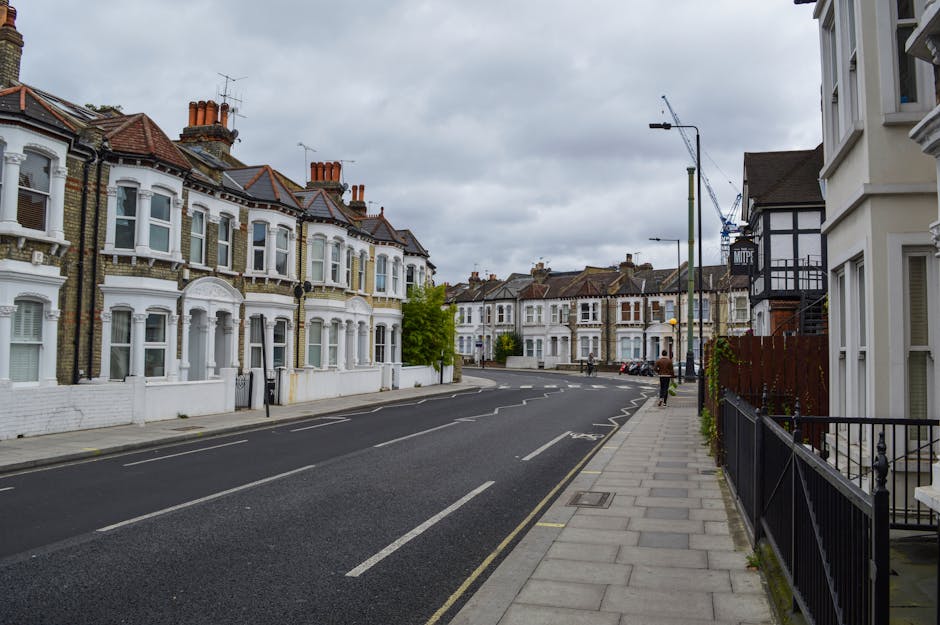




Brackenbury Village Moves: Narrow-Street Removals in W6
Posted on 06/05/2026
Moving in Brackenbury Village can feel deceptively simple on a map. In real life, though, the narrow streets, tighter parking, busy local traffic and older buildings in W6 can turn a straightforward house move into a bit of a puzzle. That is exactly why Brackenbury Village Moves: Narrow-Street Removals in W6 deserves a proper plan, not just a van and a good mood. The right approach saves time, reduces stress, and helps protect your furniture, walls, and neighbours' patience too.
If you are leaving a flat above a shop, moving into a maisonette, or shifting a family home on a street where two cars passing each other can already feel like a negotiation, the details matter. This guide breaks down what narrow-street removals involve, how to prepare, what to avoid, and how to make the process smoother from first box to final unload. You will also find practical checklists, a comparison table, and a few locally relevant recommendations drawn from the kind of moving jobs that crop up again and again in west London. Truth be told, a good move in Brackenbury Village is usually won before the van arrives.

Why Brackenbury Village Moves: Narrow-Street Removals in W6 Matters
Brackenbury Village is one of those areas where character and logistics live side by side. The streets are appealing for all the reasons people want to live there: period homes, village feel, local amenities, and that quieter pocket-of-London atmosphere. But the same qualities that make the area attractive can make moving day awkward. Narrow roads, limited set-down space, corners that are just a touch too tight, and residents who still need to get to work all shape the move.
That is why a narrow-street removal is not simply a standard house move with a smaller van. It is a different kind of operation. The team needs to think about vehicle access, carrying distances, timing, loading order, and how to protect property while navigating a tighter environment. If you have ever watched a sofa try to angle through a hallway that looked wider in the brochure, you will know the feeling.
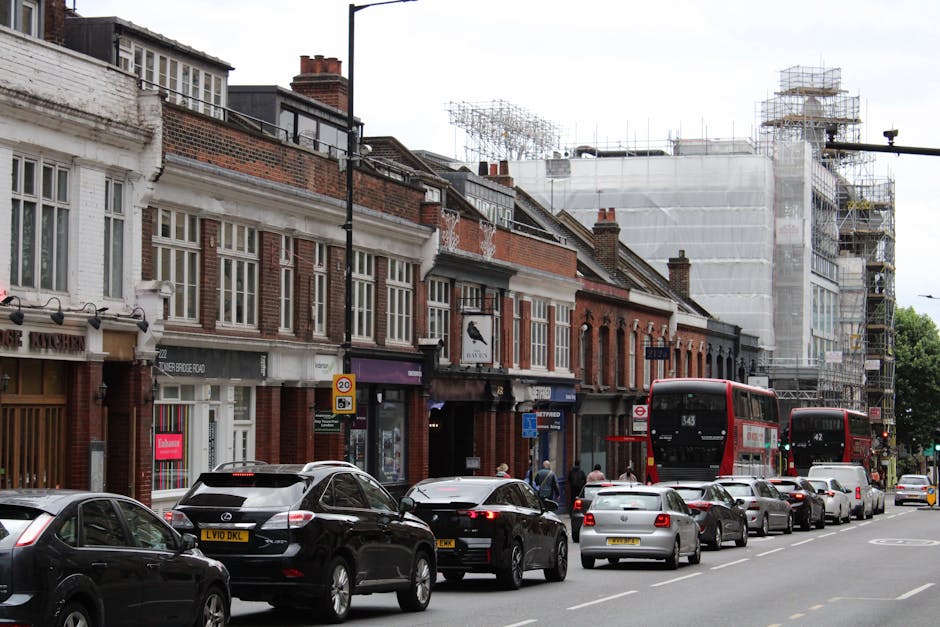
For moves in W6, especially around older terraces, mansion blocks, and converted flats, the practical challenge often starts with the street itself. Can a van park close enough? Is there enough room to load without blocking traffic? Will heavy items need to be carried from a side road or a legal parking bay? These are not small questions. They are the difference between a move that feels controlled and one that becomes a series of compromises.
If you are still at the planning stage, it helps to think in terms of the whole move ecosystem: packing, loading, access, transport, delivery, and unloading. For packing guidance, our stress-free packing guide is a useful companion read. It is not glamorous, no, but it can save you a lot of grief later.
How Brackenbury Village Moves: Narrow-Street Removals in W6 Works
At its core, a narrow-street removal is about planning around restriction rather than fighting it. Good removals teams start by understanding where the vehicle can safely stop, how far items must be carried, what needs dismantling, and whether the property layout introduces awkward bends, stairs, or low ceilings.
The process usually begins before moving day. You identify access issues, estimate the volume of items, and decide whether a man with a van in Ravenscourt Park or a larger removals vehicle is more suitable. In practice, the best option is not always the biggest van. On a tight street, a more nimble vehicle and a tidy loading plan can be far more efficient than something oversized that cannot position properly.
Next comes the loading strategy. Heavy items go first or last depending on the route and balance needed in the van. Fragile pieces are wrapped and separated. Sofas, beds, white goods and awkward items are planned individually, not just stacked and hoped for. A good crew also thinks about carrying distances. If the van cannot stop right outside, even a short extra walk can add real time and physical strain.
Finally, there is the delivery side. A tight street at the destination may need the same kind of thinking in reverse. Parking, unloading, stair access and building rules all matter. If your move involves furniture, it may be worth reviewing the dedicated furniture removals service so the most cumbersome items are handled properly from the start.
To be fair, a lot of moving stress comes from uncertainty. Once the route, parking and item handling are clear, the day tends to feel much calmer. Not easy, necessarily. Just calmer.
Key Benefits and Practical Advantages
The obvious benefit of a well-managed narrow-street move is fewer delays. But there are several other advantages that matter just as much, especially in a busy London setting where time, access and goodwill are all limited resources.
- Better vehicle access: A properly planned move reduces the chances of wasted time circling the block or parking too far away.
- Less risk of damage: Narrow stairwells, tight corners and awkward kerbs are exactly where sofas, mirrors and table legs get scuffed if no one is thinking ahead.
- Lower physical strain: Good planning means fewer unnecessary carries, fewer rushed lifts, and less temptation to do something heroic and slightly foolish.
- Cleaner timing: If the route is mapped correctly, the crew can work in a more disciplined sequence, which usually means a more predictable finish.
- Better neighbour relations: A move that is tidy, short on obstruction and professionally managed is just easier on everyone else on the street.
There is also a quieter benefit people often overlook: confidence. When you know the move has been thought through, you stop second-guessing every stage. That does a lot for your headspace on moving day, especially if you are already juggling utility changes, cleaning, keys and the odd missing charger.
If your move needs extra support with storage or temporary holding, you may also want to consider storage options in Ravenscourt Park. Sometimes the smartest move is not forcing everything into one day. Sometimes it is splitting the job sensibly.
Who This Is For and When It Makes Sense
This kind of removal is especially useful for people moving from or within Brackenbury Village, but the same principles apply across W6. It tends to suit anyone dealing with limited frontage, restricted parking, or a property layout that makes normal loading awkward.
- Flat movers: Top-floor and conversion-flat residents often need careful timing and a good handling plan.
- Families in terraced homes: Family moves often involve more furniture, more boxes, and more running around.
- Students and sharers: If you are moving on a deadline, a quick and efficient service can help keep things from spiralling.
- Office or studio relocations: Even small business moves can become tricky when equipment must be loaded on a narrow street without blocking access.
- People with bulky items: Pianos, beds, large wardrobes, and sofas need planning, not guesswork.
For example, if you are relocating from a compact flat and have a sofa, mattress and a few heavy boxes, a standard approach may be enough. But if you also have a piano or specialist furniture, it makes sense to look at the relevant service pages, such as piano removals or flat removals in Ravenscourt Park, so the move is matched to the reality of the property.
And yes, if the whole thing sounds a bit much, that is normal. Moving in a constrained area is genuinely more complicated than the internet sometimes makes it look.
Step-by-Step Guidance
The easiest way to make a narrow-street removal go well is to treat it like a sequence, not a single event. Here is a practical order that works in most cases.
- Survey the access. Check street width, parking limits, one-way sections, garden gates, stairs, and whether there is space for loading. A quick walk around the block can reveal a lot.
- List the items by size and fragility. Group furniture, boxes, appliances and delicate items separately. Do not leave the odd-shaped things to the last minute.
- Decide what needs dismantling. Beds, tables and wardrobes often move better in parts. If you need a refresher, the article on transporting beds and mattresses covers practical handling points.
- Label everything clearly. Boxes should show room destination and fragility. It sounds simple, because it is. Yet this is where many moves go slightly sideways.
- Reserve the right moving help. Choose a service that matches your access and volume. A smaller, more agile option can be perfect where the street is tight.
- Protect floors, corners and furniture. Use blankets, covers, tape that will not damage surfaces, and proper padding for the awkward pieces.
- Plan the loading order. The van should be packed logically, with heavy items secured and fragile items protected from shifting.
- Check the destination too. It is easy to forget that narrow access can happen at the new place as well as the old one.
If you are the sort of person who likes everything neat and arranged before the first box even moves, good. That instinct helps. If not, a simple moving checklist will do the same job without the panic.
Expert Tips for Better Results
Here are the small practical things that make the biggest difference. The sort of things people usually learn the hard way, unfortunately.
1. Measure the awkward bits, not just the rooms
It is not enough to know that a sofa fits in the lounge. You need to know whether it will turn through the hall, clear the bannister, and pass the front door at the right angle. If you are unsure, measure door widths, stair turns, and any narrow points before move day.
2. Keep the first load easy to access
Your first boxes off the van should not contain the kettle, charging cables and medication buried under a pile of winter coats. Put essentials together in a clearly marked bag or box. That little bit of planning makes the first evening feel much less chaotic.
3. Use the right type of help for the right item
Pianos, large wardrobes and delicate glass pieces need special handling. There is a reason specialist pages exist. If you are moving something precious or heavy, read the guidance on keeping your piano safe or on storing and protecting a sofa. It is boring advice until the day something gets chipped.
4. Build in a little slack
Even the neatest move can hit a snag: a parking issue, a delayed key handover, a box that is heavier than it looked. Leaving some breathing room in your schedule helps. Moving day is rarely a perfect machine. More like a decent machine with a loose bolt.
5. Think about decluttering before packing
Every unnecessary item creates extra lifts, extra time and extra risk in a narrow street. A light declutter before the move can change the whole experience. For a useful framework, see declutter essentials for a smooth moving experience.
One more thing: if you have ever tried carrying a bulky item alone down a cramped hallway, you already know the answer. Sometimes the sensible choice is not the cheapest-looking one; it is the one that protects your back, your belongings and your mood.
Common Mistakes to Avoid
Most narrow-street moving problems are preventable. The trouble is, people often only see the risks once they are standing in the doorway with a mattress and nowhere to turn. Here are the usual culprits.
- Ignoring parking reality: Assuming the van can stop directly outside is a classic mistake. In Brackenbury Village, that may simply not happen.
- Overpacking boxes: Heavy boxes are harder to carry, harder to stack, and more likely to burst at the worst possible moment.
- Failing to protect corners: Door frames, banisters and plastered walls are easy to chip in a narrow move.
- Leaving dismantling too late: Beds and tables are much easier to break down before the pressure of move day kicks in.
- Not separating essentials: If the charger, toiletries and documents are buried, the first night becomes messier than it needs to be.
- Choosing the wrong vehicle size: Too large can be awkward in a tight street. Too small can mean extra trips. There is a balance.
There is also a subtler mistake: assuming that because a move is local, it must be simple. Local moves can actually be trickier than long-distance ones because the access problems are all concentrated in a very small space. That sounds dramatic, but it is true enough.
Tools, Resources and Recommendations
A narrow-street removal is much easier when you have the right tools and a few sensible resources lined up. Nothing exotic. Just practical things that reduce friction.
| Tool or Resource | Why It Helps | Best Used For |
|---|---|---|
| Furniture blankets and wraps | Protects wood, paintwork and soft furnishings from scuffs | Sofas, tables, wardrobes, headboards |
| Strong labels and marker pens | Makes box sorting and room placement much faster | Boxed items, kitchenware, books, cables |
| Basic tool kit | Helps with dismantling and reassembly | Bed frames, shelves, tables |
| Moving straps and trolleys | Reduces strain and improves control on stairs and tight turns | Heavy boxes, white goods, awkward loads |
| Short-term storage | Useful when dates do not line up neatly | Delayed completions, phased moves, clutter reduction |
It can also help to read a few support guides before the move. If you are worried about staying organised, the moving without stress guide is a useful overview. If cleaning the old place is part of your handover, the move-out cleaning tips article is worth a look too.
For service planning, the broader removal services overview helps you compare options without having to guess what each one actually covers. That kind of clarity matters more than people think.
Law, Compliance, Standards, or Best Practice
Most home removals are not legally complicated, but good practice still matters. In London, the practical constraints of parking, access and street use can make it important to move courteously and within local rules. If a vehicle is loading on a public road, the team should consider local parking restrictions, access limitations, and whether any advance arrangements are needed. Rules vary by borough and by street, so checking in advance is the sensible move.
Health and safety is another important part of the picture. Professional movers should use safe lifting methods, avoid rushing awkward loads, and handle items in a way that reduces the risk of injury or damage. If you want a clearer sense of the standards a responsible provider should follow, review the company's health and safety policy and insurance and safety information.
For customers, a sensible best-practice checklist would include:
- confirming what is included in the quote,
- checking whether bulky or specialist items need extra planning,
- making sure access details are accurate,
- understanding booking and payment terms,
- and raising any concerns early rather than on the day.
If you want to know more about how a company handles issues or customer queries, the complaints procedure and terms and conditions pages are useful trust signals. Honest policies do not make a move glamorous. They do make it clearer, which is better.
There is also a sustainability angle. Reusing packing materials where possible, recycling responsibly, and avoiding unnecessary waste are small but sensible habits. For that, the company's recycling and sustainability page is relevant and reassuring.
Options, Methods, or Comparison Table
Not every move in Brackenbury Village needs the same setup. The best choice depends on property type, volume, access, and timing. Here is a straightforward comparison.
| Method | Best For | Strengths | Trade-Offs |
|---|---|---|---|
| Man and van | Smaller flats, quick local moves, lighter loads | Nimble, practical, often easier on narrow streets | May require more careful planning for larger volumes |
| Dedicated removal van | Medium-sized home moves and furniture-heavy jobs | More capacity, better for grouped items | Can be harder to position in very tight roads |
| Full removals service | Family homes, busy schedules, specialist items | More hands, broader support, less pressure on you | Usually more involved and requires fuller pre-planning |
| Split move with storage | Staggered completions, renovations, delayed access | Flexible and less rushed | Requires coordination and possibly extra handling |
If you are moving from a compact property, a man and van service may be the cleanest fit. If your move is more complex, a broader removal service could be the better answer. The trick is matching the method to the street, not the other way round.
Case Study or Real-World Example
Here is a realistic example, based on the sort of move that happens regularly around W6. A couple were moving from a first-floor flat in Brackenbury Village to a nearby house a few streets away. The issue was not distance. It was access. Their street had limited waiting space, and the front doorway sat just far enough from the van position that carrying bulky pieces would be awkward if the route was not planned.
They started by decluttering. A few old books, spare chairs and a couple of unused small appliances were removed before packing even began. That made a bigger difference than they expected. They then broke down the bed frame, grouped the kitchen boxes by room, and set aside a clearly labelled essentials box for the first night.
On moving day, the van was positioned a short carry away rather than in a half-possible spot that would have blocked the road. The team loaded the sofa first, then the mattress, then the boxed items in a sequence that kept the heaviest pieces secure. Because the route in and out of the flat had already been checked, nobody had to stop and improvise around the staircase halfway through. That alone saved time.
The move was not magical. It was just well prepared. Which, in removals, is usually the secret.
For people moving similar furniture setups, the guides on bed and mattress transport and solo heavy lifting are helpful background reading. Not because you should do it all alone, but because knowing what not to attempt is useful. Very useful.
Practical Checklist
Use this checklist in the week before your move. It keeps the job grounded and stops little things slipping through the cracks.
- Confirm moving date, access times and key handover details.
- Walk the street and note parking restrictions, narrow points and any obstacles.
- Measure large furniture and compare it with doorways and stair turns.
- Book the correct vehicle or service level for the size of the move.
- Declutter anything you do not want to carry again.
- Gather boxes, tape, labels, covers and basic tools.
- Pack an essentials bag for the first night.
- Dismantle beds, tables and other large items where practical.
- Protect floors, corners and delicate surfaces.
- Tell neighbours or building management if the move may affect access.
- Keep documents, valuables and chargers with you.
- Take photos of any items that need extra care before loading.
Expert summary: In narrow-street removals, the best move is almost always the most prepared one. Access checks, sensible packing, the right vehicle, and careful lifting do more to protect your day than last-minute effort ever will.
Conclusion
Brackenbury Village moves are all about balancing charm with practicality. The streets are lovely, but they do ask for respect. Narrow-street removals in W6 work best when the route is checked early, the items are packed intelligently, and the service matches the realities of the property rather than an idealised version of it. Get those basics right and the rest becomes much easier.
Whether you are moving a one-bedroom flat, a family house, or a home with a few awkward pieces that deserve proper handling, the goal is the same: a safe, calm, efficient move without the usual faff. That is achievable. Really.
If you are planning a move in Brackenbury Village or anywhere nearby, take the time to compare options, ask questions, and make sure the setup suits your street. A little clarity now can save a lot of heavy lifting later.
Get a free quote today and see how much you can save.